
Komagata Dojo
Edo-Era Loach Cuisine in Asakusa
The same loach dish, same cast-iron pan, same sweet soy and burdock recipe — unchanged since 1801 and still drawing Tokyo locals who treat it like a ritual.
Last verified: April 2026
Why Japanese People Love It
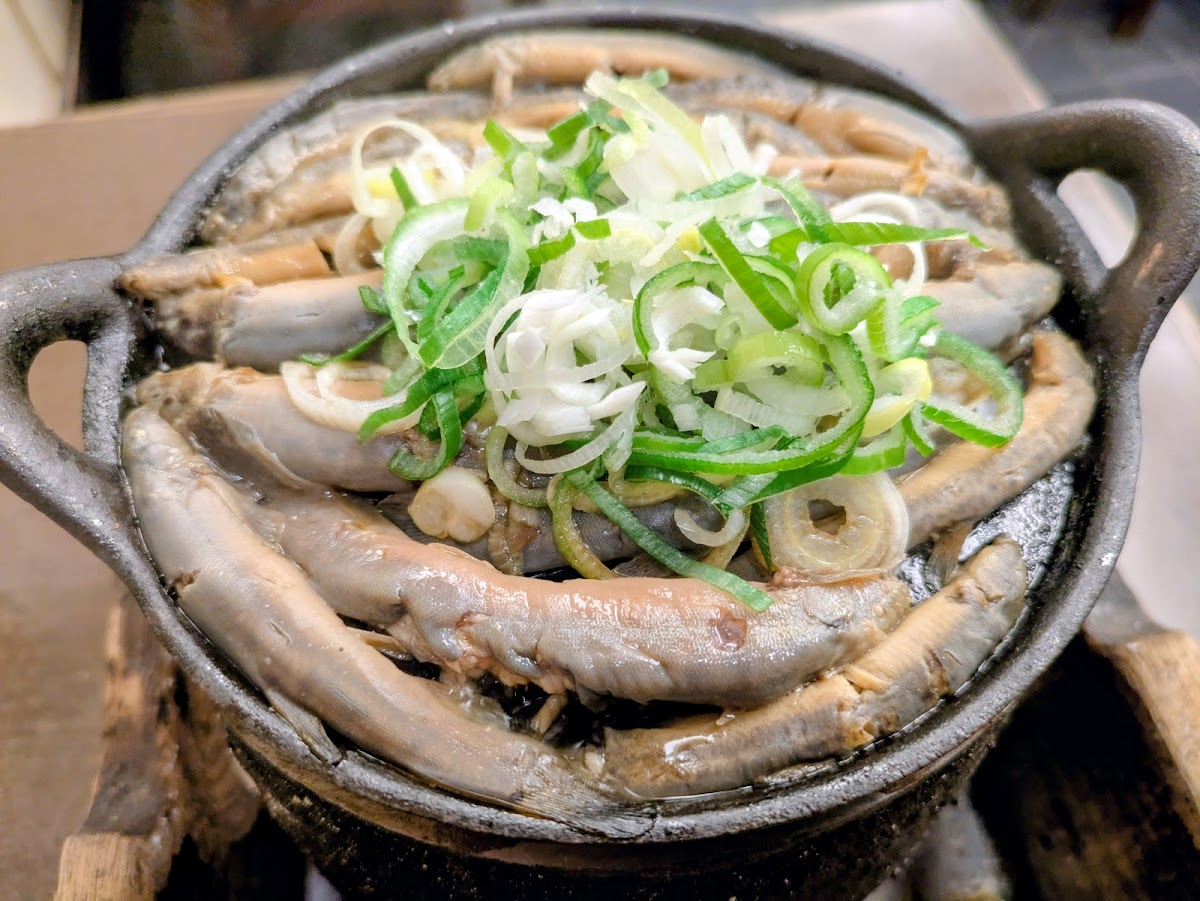
Komagata Dojo has been serving the same dish since 1801 — and that's precisely the point. Japanese visitors, particularly those with roots in shitamachi Tokyo's old working-class neighborhoods, come here not for novelty but for continuity. The loach (dojō) are split open and simmered in a cast-iron warizaki pan with sweet soy, mirin, and burdock root, using a technique that hasn't meaningfully changed since the Edo period. For many regulars, eating here is less about hunger and more about touching something that predates their grandparents' grandparents.
What earns genuine respect among Japanese diners is the refusal to modernize for modernization's sake. No fusion interpretations, no seasonal limited editions, no Instagram-optimized plating. You sit on tatami in a low-lit zashiki room, and if you're lucky, you'll hear live shamisen or hauta ballads drifting through the space — a form of traditional Edo-period music that was once the background sound of exactly this kind of merchant-quarter meal.
Japanese food culture carries enormous weight around the concept of shokunin — the craftsperson who masters one thing completely. Komagata Dojo embodies that idea across more than two centuries and seven generations of ownership. When a Tokyo local brings someone here, it's an act of cultural pride, not just a dinner recommendation.
How to Experience It
Komagata Dojo is currently walk-in only, so the simplest move is to arrive a little early if you're aiming for a specific lunch or dinner window. If a short line forms, it usually moves steadily once the room is turning over.
Weekday lunches tend to be calmer than weekends. Arriving right when doors open gives you the smoothest start and the best chance at a relaxed seat.
The restaurant offers à la carte ordering at the table — no ticket machine. Point at the menu or use a photo translation app if you're unsure; the staff have seen it all. The dojo (loach) dishes are the core of the menu: start with the yanagawa nabe, where loach and burdock root simmer together in a shallow iron pot finished with egg.
One thing to keep in mind: this is an old-style Tokyo establishment with a quiet, unhurried atmosphere. Match the pace of the room. Order steadily, eat slowly, and resist the urge to rush through courses — the experience rewards patience.
What to Order
Dojō Nabe (どじょう鍋) — Whole river loach simmered tableside in a shallow iron pot with burdock and sweet soy broth. The fish soften completely as they cook, turning tender and almost melting, with an earthy depth that's nothing like the muddy flavor first-timers expect. Ask your server to adjust the heat — keeping it at a gentle simmer rather than a rolling boil makes a real difference.
Maru Nabe (丸鍋) — This is the same concept, but the loach are served whole and unscored, giving you a slightly firmer bite and a more pronounced, mineral-rich flavor. It's the version regulars tend to order, and the one that shows you what this 250-year-old kitchen is actually doing.
Yanagawa (柳川) — Loach and burdock braised in dashi, then finished with beaten egg. Softer and more delicate than the nabe options, it's a good entry point if you want to ease into the menu.
Plan your visit
| Area | Asakusa |
|---|---|
| Category | Traditional Specialties |
| Price range | ¥1500-4000 |
| Hours | 11:00-20:30 (L.O.20:00) |
| Closed | Irregular monthly closure; check official calendar |
| Access | 3 min walk from Toei Asakusa Line Asakusa Station / 5 min walk from Ginza Line Asakusa Station |
| Reservations | Walk-in only. Reservations are not accepted. |
| English menu | ⚠ Limited Limited |
| English support | None |
| Last verified | April 2026 |
Nearby Experiences
Start your morning at Kappabashi-dori — the street of restaurant supply shops just a 12-minute walk west — where you can browse handmade lacquerware and the copper pots that professional chefs actually use. Then after your dojo meal, walk five minutes south along the Sumida River to Hamacho, where the water lanterns along the embankment make for a quiet end to the evening. Both experiences are bookable through ONDO Tokyo if you want a guide who knows the details.