
Dandelion Chocolate Kuramae
Bean-to-Bar, Done Slowly
San Francisco's bean-to-bar pioneer in a Kuramae warehouse: single-origin tasting flights, glass-walled production floor, English-fluent staff.
Last verified: 2026-05-16
Why Japanese People Love It
Dandelion Chocolate is a San Francisco company that defined what 'bean-to-bar' meant for a generation of American chocolate drinkers — the idea that a small producer could buy whole cacao beans from a specific farmer in Belize, Madagascar, or Ghana, and turn them into a finished bar without industrial intermediaries. The Kuramae location, opened in February 2016, was the brand's first overseas factory, and the reason they chose Kuramae was the neighborhood's craft-district identity: leather workshops, stationary shops, small coffee roasters, and a slower pace than central Tokyo.
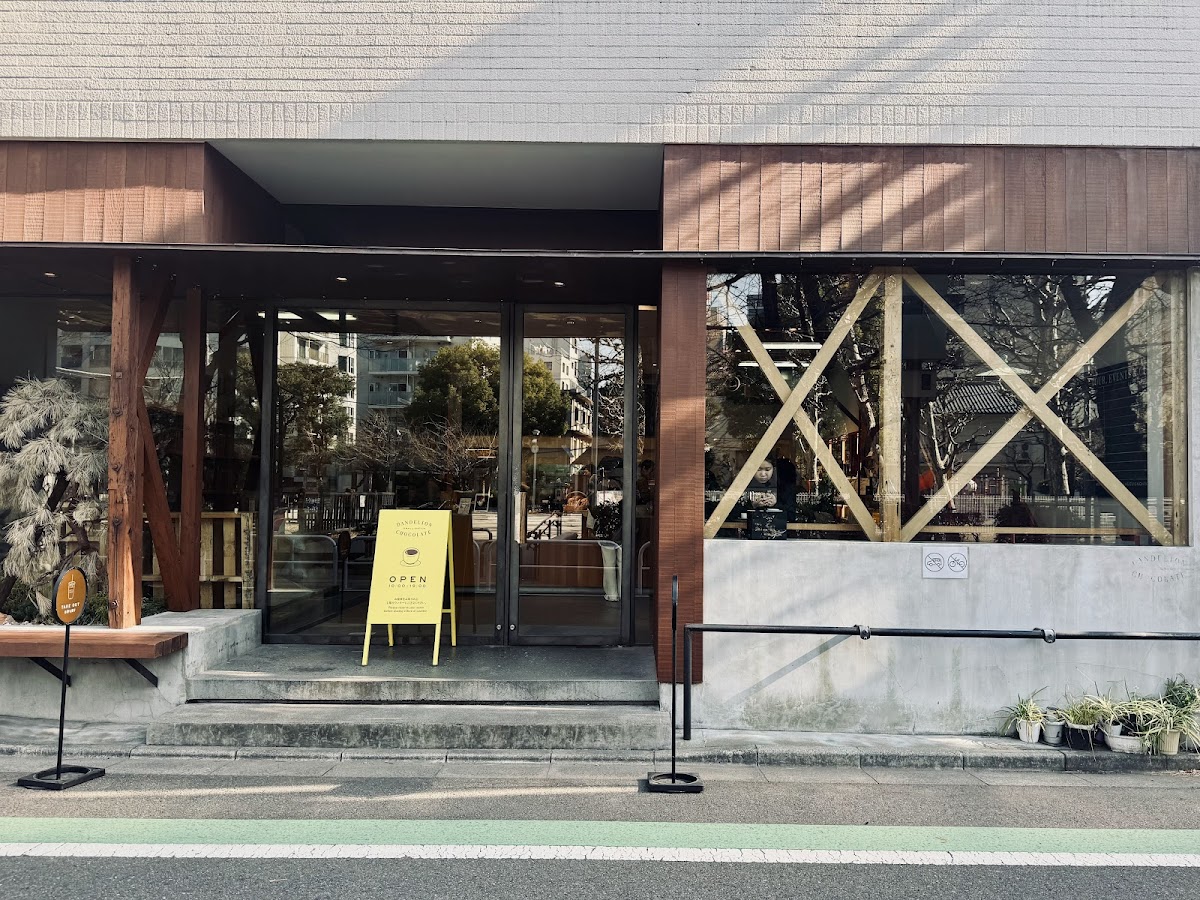
What makes the Kuramae shop different from the San Francisco original is the building. It's a converted warehouse with two floors — the ground floor holds the cafe, retail, and an open production floor visible through a glass wall, where you can watch staff sort beans, run the cocoa grinder, and pour fresh bars. The second floor is workshop space and additional cafe seating. The transparency is the point: the production is the show.
Japanese visitors love Dandelion for the comparative experience. Chocolate in Japan has historically been treated as a confection — sweet, decorative, gift-shop oriented. Bean-to-bar reframes it as something closer to wine or coffee: origin matters, processing matters, and the same cacao bean can taste like dried apricot from Madagascar or red wine from Hawaii. The four-bar tasting flight is the educational unit, designed to let you experience that range in fifteen minutes.
How to Experience It
From Kuramae Station, exit A2 and walk five minutes south through the residential streets. The building is at 4-14-6 Kuramae, marked by a small Dandelion logo at street level. The ground floor entrance leads directly into the cafe and retail area; the production floor is visible through a glass wall.
The cafe seats roughly twenty inside plus a few outdoor benches in good weather. Weekends are busy; weekday afternoons are calm. The peak hours are roughly 14:00-17:00 on Saturday and Sunday when the area's foot traffic spikes; weekday mornings (10am-noon) are reliably quiet.
Most staff speak English and the menu is fully bilingual. Even if your Japanese is weak, you can order, ask about origin, and request a tasting at the counter without difficulty. The packaging on takeaway bars carries origin notes, tasting notes, and the farmer's name — designed to be browse-friendly for international visitors.
What to Order
The single-origin tasting flight — four small squares of bars from different cacao origins, served on a small plate with origin notes — is the order if it's your first visit. It costs around ¥1,100 and gives you the comparative experience the shop is designed around. The current rotation typically includes Ghana, Belize, Madagascar, and one rotating origin.
Beyond bars, the menu features a hot chocolate that uses the same single-origin bars dissolved in milk (heavier and richer than typical hot chocolate), a brownie made with the shop's own cacao, and seasonal s'mores prepared at the counter — homemade marshmallow toasted at the counter, between graham crackers and a piece of in-house chocolate. For a longer visit, order one of each and split.
Plan your visit
| Area | Kuramae |
|---|---|
| Category | Café & Coffee |
| Price range | ¥800-2500 |
| Hours | 10:00-20:00 |
| Closed | なし |
| Access | 都営浅草線・大江戸線蔵前駅A2出口から徒歩5分・JR浅草橋駅から徒歩10分 |
| Reservations | Walk-in available — popular on weekends |
| English menu | ✓ Available Yes — bilingual menu and packaging |
| English support | Yes — multilingual staff (English fluent) |
| Last verified | 2026-05-16 |
Nearby Experiences
Kuramae is Tokyo's craft district — within fifteen minutes of Dandelion you can visit leather workshops (REN, m+), the Mirror coffee roaster (next door to Nui. Hostel & Bar Lounge), stationery makers (Kakimori for custom notebooks), and the Sumida River walk. The neighborhood is built for slow looping; most visitors string Dandelion together with two or three of these in a half-day.
For a longer day, walk twenty minutes north to Asakusa proper (Senso-ji, Hoppy Street, Imahan) or thirty minutes south along the river to Ryogoku (the sumo district). The contrast between Kuramae's quiet craft pace and Asakusa's tourism intensity is striking when done back to back.