
Heiroku Sushi Omotesando
Old-School Kaiten on the Fashion Mile
A long-running conveyor-sushi shop on Omotesando, where ¥150-ish plates have outlasted every retail boom around it. The cheap-sushi anchor of an expensive street.
Last verified: 2026-05-16
Why Japanese People Love It
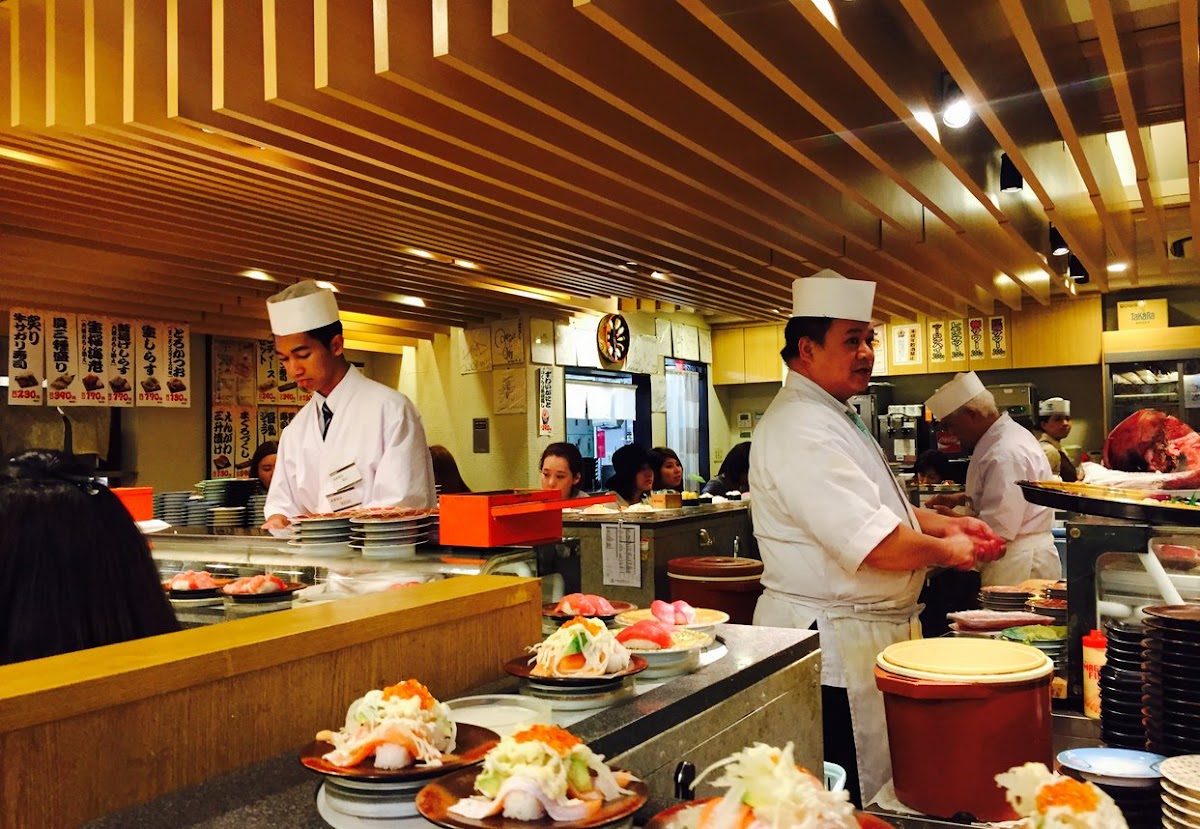
Heiroku Sushi has run a conveyor-belt shop on Omotesando for decades — long enough that it predates most of the luxury retail and flagship architecture that now defines the avenue. On a street where a coffee can cost ¥900, Heiroku's plates at roughly ¥150-400 are a deliberate anomaly: cheap, fast, unpretentious sushi in the middle of Tokyo's most expensive shopping mile. That contrast is the reason it endures and the reason locals keep it on the list.
It is old-school kaiten-zushi in the original sense — a physical rotating belt of made plates you pick from as they pass, plus made-to-order from the counter — rather than the newer touchscreen-and-express-track model. The fish is everyday-grade, not destination-grade; the appeal is the format, the price, and the speed, not a culinary peak. For understanding the history of conveyor sushi (a 1958 Osaka invention that industrialized the dish), the classic belt format is worth experiencing in its own right.
For visitors, the practical case is location. Harajuku-Omotesando is dense with expensive, queue-heavy, Instagram-driven food; a reliable cheap sushi stop with an English menu, no reservation, and fast turnover is genuinely useful between boutiques. It's not where you go for the best sushi of the trip — it's where you go to eat well enough, quickly and cheaply, on a street that otherwise resists both.
How to Experience It
Find it in the Jingumae 6-chome area, about four minutes from Meiji-Jingumae or Omotesando stations — just off the main avenue. Counter seating faces the conveyor; walk in and you're usually seated quickly given the high turnover.
Open 11:00-21:00, no closing day. Lunch and weekend afternoons are the busy windows on this high-traffic street; mid-afternoon (15:00-17:00) is the calm. The conveyor format means there's no wait for food once seated — you take plates as they pass or order specific items from the counter.
Eat by the plate: take what looks good from the belt (plate color indicates price), or order made-to-order from the staff for the freshest versions. The English menu / picture plates cover both. Stack your empty plates; staff count them for the bill.
What to Order
Standard order: salmon, maguro (tuna), ebi (shrimp), tamago (egg), and an aburi (seared) plate to gauge the kitchen. At this price tier the made-to-order items are noticeably fresher than belt plates — order your two or three favorites directly rather than only taking from the conveyor.
Keep expectations calibrated: this is everyday-grade sushi at everyday prices, and ordering accordingly (volume and variety over premium cuts) is the right approach. Save the uni/o-toro splurge for a destination shop elsewhere; here, breadth and speed are the value.
Plan your visit
| Area | Harajuku |
|---|---|
| Category | Sushi |
| Price range | ¥1200-2800 |
| Hours | 11:00-21:00 (LO 20:30) |
| Closed | なし |
| Access | 東京メトロ明治神宮前駅・表参道駅から徒歩4分・神宮前6丁目 |
| Reservations | Walk-in only — conveyor belt, counter seating |
| English menu | ✓ Available Yes — English menu / picture plates |
| English support | Limited; the conveyor format needs little language |
| Last verified | 2026-05-16 |
Nearby Experiences
You're on the Omotesando-Harajuku corridor — The Roastery by Nozy Coffee, Harajuku Gyozaro, and Rainbow Pancake are all within a short walk for a coffee or a different bite. The Omotesando flagship architecture (Tod's, Dior, the Spiral) lines the avenue around you.
For the conveyor-sushi spectrum, Heiroku (classic belt, everyday-grade, on an expensive street) contrasts with Uobei Shibuya (touchscreen express) and Maguro Bito Asakusa (tuna-focused, mid-range) — three eras and price points of kaiten-zushi worth tasting across a trip.