
Daikokuya Tempura Asakusa
Tokyo’s 130-Year Tempura Icon
Frying in the same sesame oil since 1887, this Asakusa institution started as a soba shop — until the tempura got so popular, the soba quietly vanished.
Last verified: 2026-05-09
Why Japanese People Love It
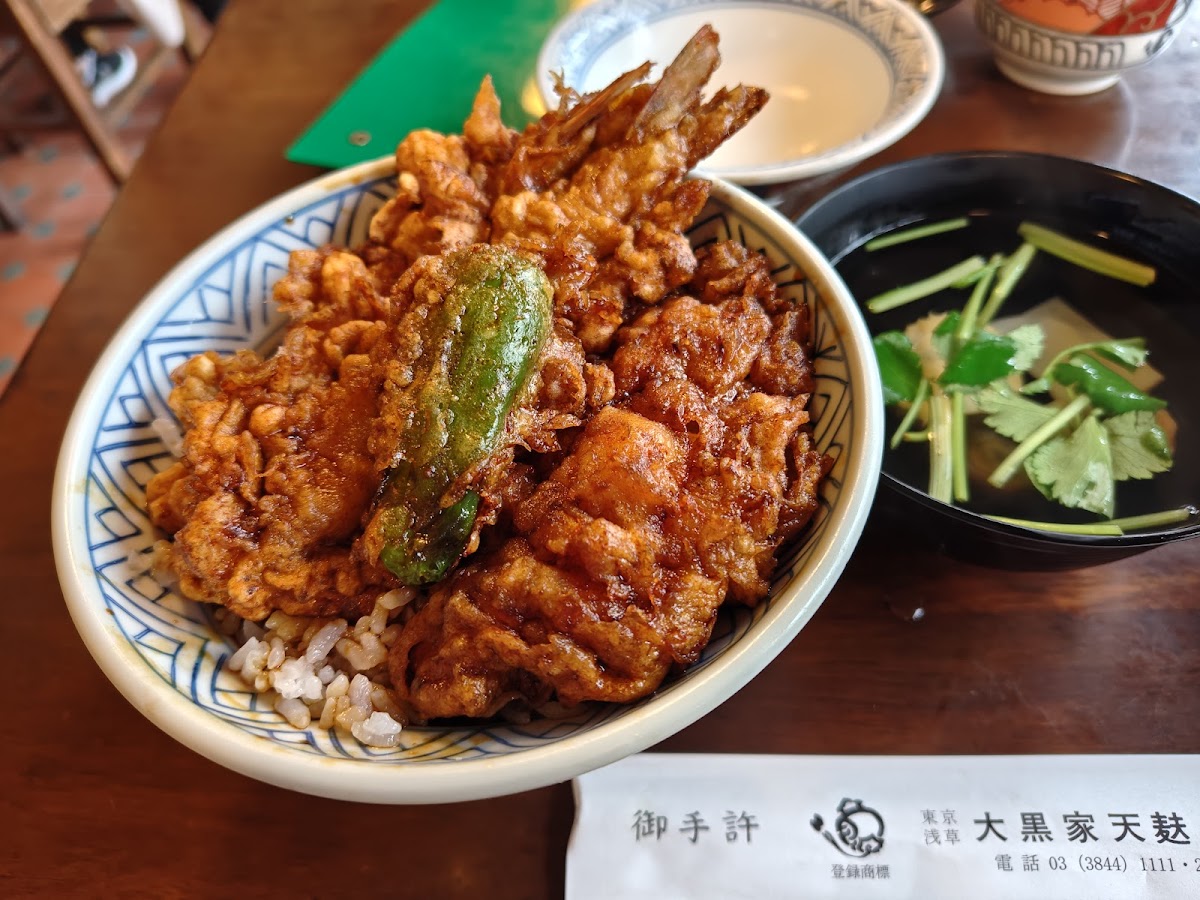
Daikokuya has been frying tempura in the same sesame oil since 1887 — and that's precisely why Japanese people keep coming back. It didn't start as a tempura restaurant. It opened as a soba shop, but the tempura got so popular that the soba quietly disappeared. Locals see that kind of organic, unplanned evolution as a mark of genuine quality. The recipe for the tare sauce has never been written down or shared outside the family in 138 years, which in Japanese food culture carries enormous weight. This isn't marketing — it's the kind of quiet pride that earns a place generational loyalty.
What divides opinions — and what regulars actually love — is the texture of the batter. Fried in sesame oil and lacquered in that dark, sweet-savory tare, the coating goes soft and yielding rather than crisp. Purists call it the definitive Edo-style tendon. Critics call it soggy. The fact that this debate has been running for over a century, and the queues still form before the 11am opening, tells you everything about where most people land.
How to Experience It
Daikokuya doesn't take reservations — it's walk-in only, so timing is everything. Arrive right at the 11am opening to beat the lunch rush. Come even fifteen minutes late on a weekend and you're likely looking at a 45-minute wait on the street. Weekday mornings are your best shot at walking straight in.
The staff have limited English, so before you go, it helps to know what you want. The tendon (tempura over rice) is what everyone comes for — point at the menu or have your order written down if you're unsure. The menu is straightforward enough that language rarely becomes a real obstacle.
Both counter and table seating are available, and solo diners are completely at ease here — the counter in particular puts you close to the kitchen action, which is worth it if you get the choice.
One thing to keep in mind: this is a fast-paced lunch spot with a line outside. Linger over your bowl, but once you're done, read the room — other diners are waiting in the cold for your seat.
What to Order
Ebi Tendon (えび天丼) — The entry point: two fat prawns in batter that shatters on the bite, served over rice lacquered with Daikokuya's signature dark, soy-forward sauce. That sauce is the thing — deeper and more savory than the pale, delicate versions you'll find elsewhere in Tokyo.
Jō Tendon (上天丼) — More coverage than the ebi, with additional seasonal pieces alongside the prawns. This is the sweet spot for most visitors — enough variety to appreciate the kitchen's range without tipping into excess. Order this if you're eating solo and want the full picture.
Tokujo Tendon (特上天丼) — The premium bowl, with the most generous selection of toppings. Worth requesting if you're splitting attention across the table — it gives you more to taste and compare. Pairs well with the miso soup included on the set.
Plan your visit
| Area | Asakusa |
|---|---|
| Category | Tempura |
| Price range | ¥1700-4000 |
| Hours | 11:10-20:30 (土曜21:00まで) |
| Closed | なし |
| Access | 東京メトロ浅草駅から徒歩5分・浅草寺雷門から徒歩2分 |
| Reservations | Walk-in only — 45-minute waits common; arrive at 11am opening |
| English menu | ✓ Available Yes |
| English support | Limited English staff |
| Last verified | 2026-05-09 |
Nearby Experiences
After your tempura set, walk off the meal along Nakamise-dori toward Senso-ji's main hall — arrive around dusk when the stone lanterns flicker on and the crowds thin. The next morning, rent a jinrikisha from one of the rickshaw operators stationed just outside Kaminarimon Gate; a 30-minute pull through the backstreets of Yanaka gives you a completely different read on this neighborhood. Both pair well with an ONDO-guided sake tasting in nearby Kotobuki.