
Kosugiyu
Koenji’s Design Sento with Craft Beer
The same family has run this 1933 wooden bathhouse for three generations — and in Koenji's artist community, that stubborn continuity means everything.
Last verified: April 2026
Why Japanese People Love It
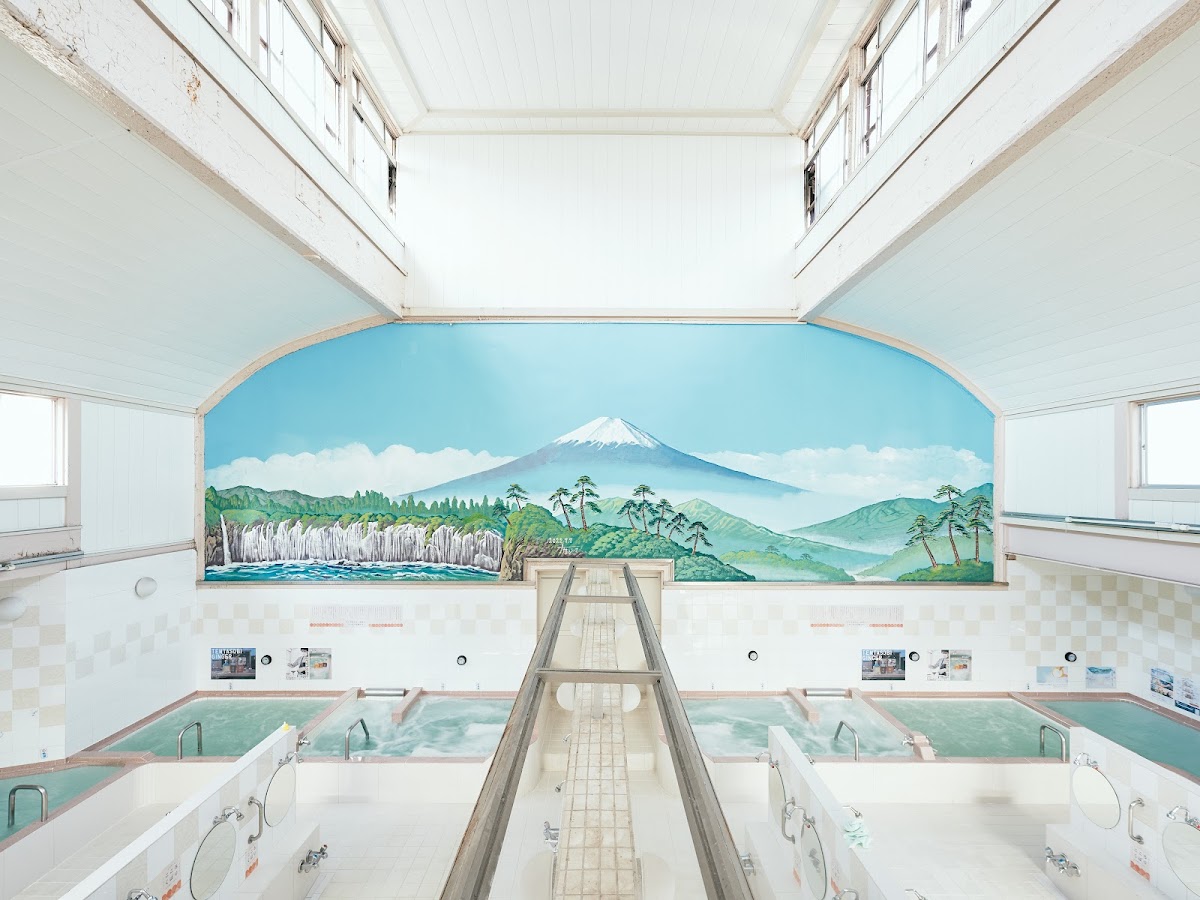
Kosugiyu has been running since 1933, and the wooden building has barely changed — you can still see the original high ceiling of the bandai (the elevated attendant's platform) that the owner's family has staffed for three generations. That continuity matters to Koenji locals. In a neighborhood that has always attracted artists, musicians, and people who do things their own way, a bathhouse that refuses to modernize itself into irrelevance feels like a quiet act of resistance.
What brought a younger generation back to sento culture specifically here was kougo-yoku — the practice of alternating between the hot bath and the cold plunge in deliberate cycles. Kosugiyu's water temperature calibration is taken seriously: the hot tub sits at a punishing 42–43°C, and the cold bath holds steady around 17°C. Regulars will tell you the contrast produces a full-body clarity they describe as totonou — a kind of reset that no shower at home comes close to replicating.
The coworking space next door, Kosugiyu Tonari, turned the bathhouse into something even rarer: a place where people actually spend the whole day. Freelancers work until early evening, then migrate through the wooden door for a soak, then drift back. That loop — the rhythm of work, water, and neighborhood — is what locals are really protective of when they talk about this place.
How to Experience It
Kosugiyu is walk-in only, so there's no reservation to stress about — just show up. The staff don't speak English, so it helps to know a few basics before you arrive rather than trying to work it out at the door.
For the smoothest visit, come on a weekday if your schedule allows. Weekend evenings draw a local crowd and the changing rooms can feel cramped when it's busy.
Payment and entry follow the standard sentō format:
- Pay the entrance fee at the front counter — have cash ready.
- Separate into the correct changing room: 男 (otoko) for men, 女 (onna) for women.
- Store your clothes in a locker or basket, then bring your towel to the bathing area.
- Wash thoroughly at one of the seated shower stations before entering any of the baths — this is non-negotiable.
That last point is the single etiquette rule that matters most: never step into the communal water without washing first. Everyone shares the same baths, and walking in clean is how you show respect for the people around you.
What to Order
Miruku Buro (ミルク風呂) — Milk Bath: Softened with milk-based additives, the water has a silky resistance against your skin that plain water simply doesn't. It leaves your skin noticeably smooth — the kind of softness you'd expect from an expensive skincare routine. Go on a weekday evening if you want the tub mostly to yourself.
Denki Buro (電気風呂) — Electric Bath: A low-current runs through the water, producing a buzzing, pins-and-needles sensation that pulses through tired muscles like a deep-tissue massage. Start at the edge of the tub where the current is weakest — sitting directly between the electrodes is intense, even for regulars.
Mizuburo Kogoyu (水風呂 交互浴) — Cold Plunge with Alternating Bathing: The real ritual here is cycling between the hot baths and this cold plunge, a practice called kogoyu. After three or four rounds, the full-body stillness that follows — locals call it ととのう (totonou) — is unlike anything a single soak can produce.
Plan your visit
| Area | Koenji |
|---|---|
| Category | Cultural Experiences |
| Price range | ¥500-600 |
| Hours | Weekdays 14:00-25:30 / Weekends & holidays 8:00-25:30 |
| Closed | Thursdays |
| Access | 5 min walk from JR Koenji Station |
| Reservations | Walk-in only |
| English menu | ✕ None No — Japanese signage only |
| English support | None |
| Last verified | April 2026 |
Nearby Experiences
Before soaking at Kosugiyu, spend an hour flipping through vinyl at Enban on Koenji's Look Shopping Street — the staff know their stock deeply and will point you toward something you'd never find algorithmically. Afterward, still warm from the baths, walk five minutes to Nishiogi-minami for a quiet bowl of soba at Chitose, where the tsuyu is subtle enough not to overpower the noodles. Both experiences share Kosugiyu's unhurried, neighborhood-first feeling.