
Tsunahachi Sohonten
Counter Tempura in Shinjuku Since 1924
A 100-year tempura house facing Isetan. Pure sesame oil, thin-coat Edo-style tempura, hundreds of seats handled by a counter team that's seen everything.
Last verified: 2026-05-16
Why Japanese People Love It
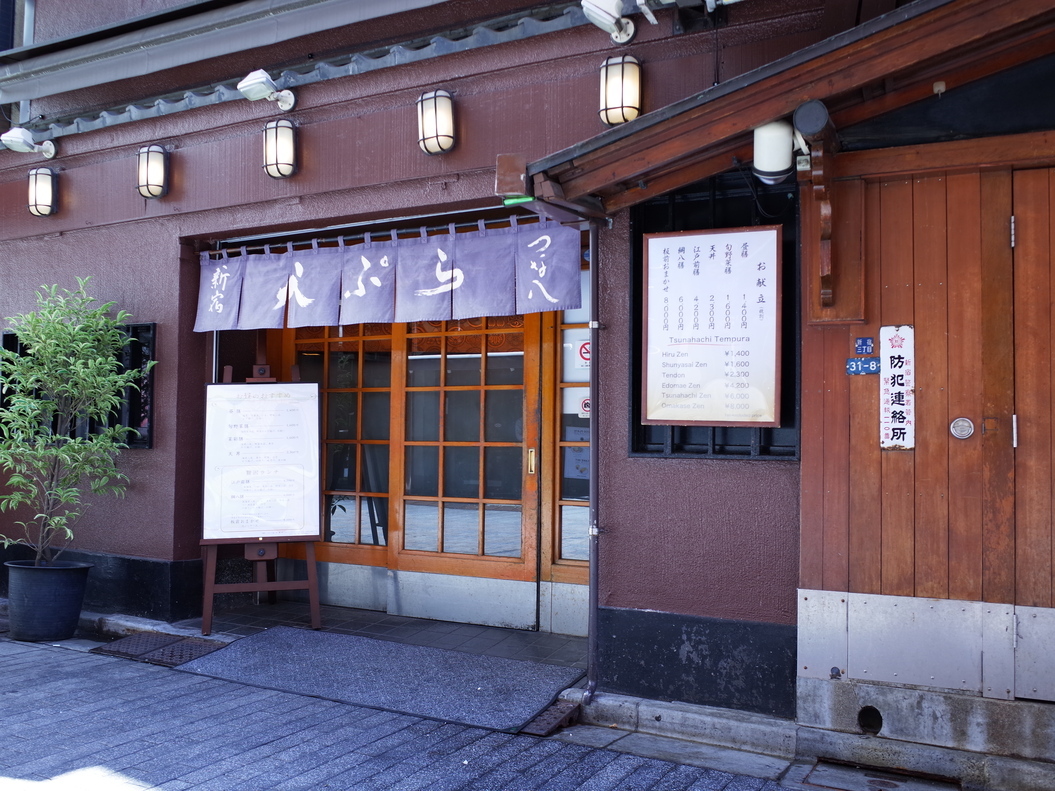
Tsunahachi was founded in 1924 by Yamada Ittoku, a Tokyo-born chef who wanted to make Edo-style tempura — the historical Tokyo version, thin-coated, fried in pure sesame oil, served immediately — accessible to ordinary residents rather than just the high-end traditional houses of the day. A hundred years later, the same family runs the business through its fourth generation, and the sesame-oil technique remains the defining trait. Most modern tempura houses use a vegetable-oil blend; Tsunahachi uses 100% sesame oil, which gives the batter its slightly amber color and the distinctive nutty finish that purists associate with the Tokyo style.
Japanese diners come for the counter experience and the price. Sitting at the counter, you watch the chef finish each piece directly into your dish — shrimp, kisu (whiting), kakiage (mixed seafood and vegetable fritter), aori-ika (squid), and seasonal vegetables — at a pace that matches your eating. The pricing is calibrated for daily Shinjuku life: lunch sets start around ¥2,000, dinner courses reach ¥5,000-8,000, and the counter experience itself is the value. Compared with single-chef tempura houses charging ¥15,000 and up, Tsunahachi delivers most of what you'd want for a third of the price.
Location is part of the institution. The Sohonten (head shop) faces Isetan Shinjuku's main building across a small lane, putting it on the daily route of Shinjuku-Sanchome office workers, Isetan shoppers, and tourists who realize they want one more proper Japanese meal before leaving. It's open 365 days minus New Year and stays open until 10pm last order, which makes it usable for almost any timing — lunch, late lunch, early dinner, or a 9pm fortifying meal after Shinjuku drinks.
How to Experience It
Exit JR Shinjuku Station East exit and walk east five minutes along Shinjuku-dori toward Isetan; the Sohonten building has a small Tsunahachi sign at street level and a more visible vertical sign on the upper floors. Subway riders should use Shinjuku-Sanchome Station, exit B5 — that puts you within a minute of the entrance.
Counter seats on the first floor are the main attraction; upper floors offer table seating in case the counter is full or you're with a larger group. For the counter experience, arrive when the shop opens (11:00 weekdays, 11:00 weekends) or after 2pm post-lunch rush; the 12:00-1:30 window is reliably full of Isetan office workers on lunch breaks.
Reservations are accepted for dinner via phone or Hot Pepper; lunch is generally walk-in. If you're going as a group of four or more, calling ahead is strongly recommended to guarantee a counter row.
What to Order
The lunch teishoku (set menu) at ¥2,000-2,500 is the right starting point: roughly seven to eight pieces of mixed tempura, rice, miso soup, and pickles, finished with green tea. It's the menu that makes Tsunahachi a regular Tokyo lunch destination rather than a tourist landmark.
For dinner, the course menu (¥5,000-8,000) adds premium pieces — anago (saltwater eel), aori-ika (bigfin reef squid), seasonal special items — and finishes with tencha (rice in tea, with one final piece of tempura on top). If you've never had tencha, this is the one to try; the broth softens the tempura just enough to reset your palate.
Plan your visit
| Area | Shinjuku |
|---|---|
| Category | Tempura |
| Price range | ¥2000-8000 |
| Hours | 11:00-22:00 (LO 21:00) / Lunch menu 平日 11:00-15:00 |
| Closed | 12/31・1/1(年中無休) |
| Access | JR新宿駅東口から徒歩5分・新宿三丁目駅から徒歩3分・伊勢丹新宿店向かい |
| Reservations | Reservations accepted (recommended for groups and dinner) |
| English menu | ✓ Available Yes — English menu available |
| English support | Yes — some English-speaking staff |
| Last verified | 2026-05-16 |
Nearby Experiences
Isetan Shinjuku's food hall (depachika) is across the street — even if you've just eaten, it's worth a walk-through for the wagashi, the wine selection, and the daily-prepared bento that locals buy as dinner. Forty meters in the other direction sits Shinjuku Sanchome, a quieter and more refined drinking district than Kabukicho with kissaten, small wine bars, and the second-floor jazz clubs that have been there since the late showa years.
For continuing the evening, walk east into Golden Gai (the 200-bar alley) or south to the Memory Lane area (Omoide Yokocho) for retro standing bars. Both are within a ten-minute walk and represent the two ends of Shinjuku's drinking spectrum.