
CHABARA
Japan’s Regional Foods, Under the Akihabara Tracks
A food market in the old produce-market arches between Akihabara and Okachimachi, where the Nippon Department Store food hall gathers some 4,000 regional specialties from every prefecture under one roof.
Last verified: 2026-06-13
Why Japanese People Love It
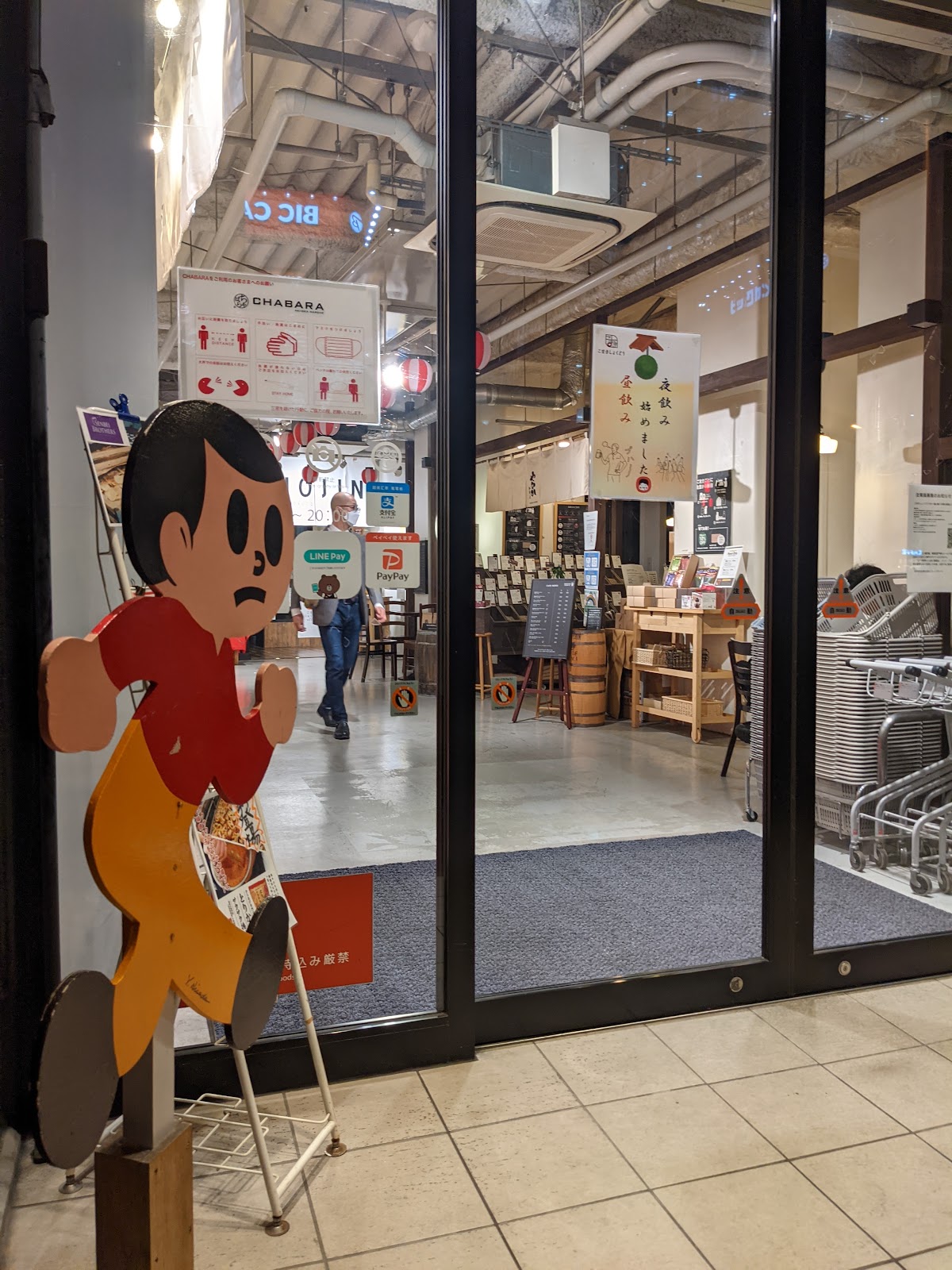
CHABARA occupies the railway arches between Akihabara and Okachimachi stations, on the site of the old Kanda produce market — the name fuses 'yacchaba' (the market's nickname) with 'Akihabara.' When the elevated AKI-OKA stretch was redeveloped, the arches became a curated retail strip; CHABARA's anchor is the Nippon Department Store Shokuhinkan, a food hall that gathers roughly 4,000 regional specialty products from across all of Japan in one walkable space.
It works as a national pantry. Where a depachika (department-store basement) curates by luxury, CHABARA curates by region and producer — small-batch soy sauces, prefectural snacks, regional sake and craft beer, dashi, sweets, condiments, and oddities you'd otherwise have to travel to find. Each product tends to carry its maker and origin, so the place doubles as a low-effort lesson in Japan's regional food geography: Hokkaido dairy, Shikoku citrus, Kyushu shochu, all on adjacent shelves.
For visitors, CHABARA is the most efficient single stop in central Tokyo for edible souvenirs that aren't generic — and for grazing. It sits one minute from Akihabara's Electric Town exit, under the tracks, so it slots naturally into an electronics-and-anime day as the food interlude. It's browsing and buying more than sit-down dining, but several stalls offer tastings and ready-to-eat items, which makes it a good low-commitment refuel.
How to Experience It
Find CHABARA at 8-2 Kanda-Neribeicho, one minute from Akihabara Station's Electric Town (Denki-gai) exit — look for the railway arches just north of the station. The Nippon Department Store Shokuhinkan is the main food floor; the surrounding AKI-OKA arches continue toward Okachimachi with craft and specialty shops.
Open 11:00-20:00, closed only on New Year's Day and the first Wednesday of June and November. It's busiest on weekend afternoons; weekday late mornings are calm for unhurried browsing. This is a market, not a restaurant — come to graze, taste, and shop rather than to sit for a full meal.
Work the food hall by region: pick a prefecture you're curious about and follow its shelf, ask for tastings where offered, and assemble a small spread of regional snacks, a sauce or dashi to take home, and a bottle of regional sake or craft beer. Many items are sized as gifts; staff can point you to the season's standout products.
What to Order
There's no single dish — the move is a curated basket: one regional sauce or dashi (these survive the flight home and change how you cook), one prefectural snack you've never seen, and one bottle of regional sake or craft beer. Ready-to-eat items and tasting counters let you graze as you shop; treat it as a build-your-own sampler of Japan.
For souvenirs that beat the generic Tokyo-station fare, the small-producer condiments and sweets here are the strongest picks — distinctive, well-packaged, and tied to a specific maker and place. If you only have time for one thing, ask a staff member for the current regional bestseller; rotation is seasonal and they steer well.
Plan your visit
| Area | Akihabara |
|---|---|
| Category | Traditional Specialties |
| Price range | ¥300-3000 |
| Hours | 11:00-20:00 |
| Closed | 元日・6月/11月の第1水曜 |
| Access | JR秋葉原駅電気街口から徒歩1分・神田練塀町8-2(高架下 AKI-OKA) |
| Reservations | Walk-in — retail food market; browse and buy |
| English menu | ✕ None Partial — products are visual; some English signage |
| English support | Limited English; self-service browsing |
| Last verified | 2026-06-13 |
Nearby Experiences
You're one minute from the station and the heart of Akihabara. The Milk Stand on the Sobu Line platform is a two-minute Showa stop, and Tonkatsu Marugo is a short walk for a proper sit-down meal after browsing.
Follow the arches the other way and mAAch ecute Kanda Manseibashi — the 1912 red-brick viaduct redevelopment — continues the under-the-tracks theme toward Kanda, where Kanda Yabu Soba and Kanda Matsuya anchor the Edo-soba old town. CHABARA is the regional-pantry node in that walk.