
Toraya Akasaka
Five Centuries of Wagashi, Flagship Tearoom
The Muromachi-era confectioner that has served the Imperial household for generations. The Akasaka flagship pairs a sleek modern building with a third-floor tearoom of seasonal sweets.
Last verified: 2026-05-16
Why Japanese People Love It
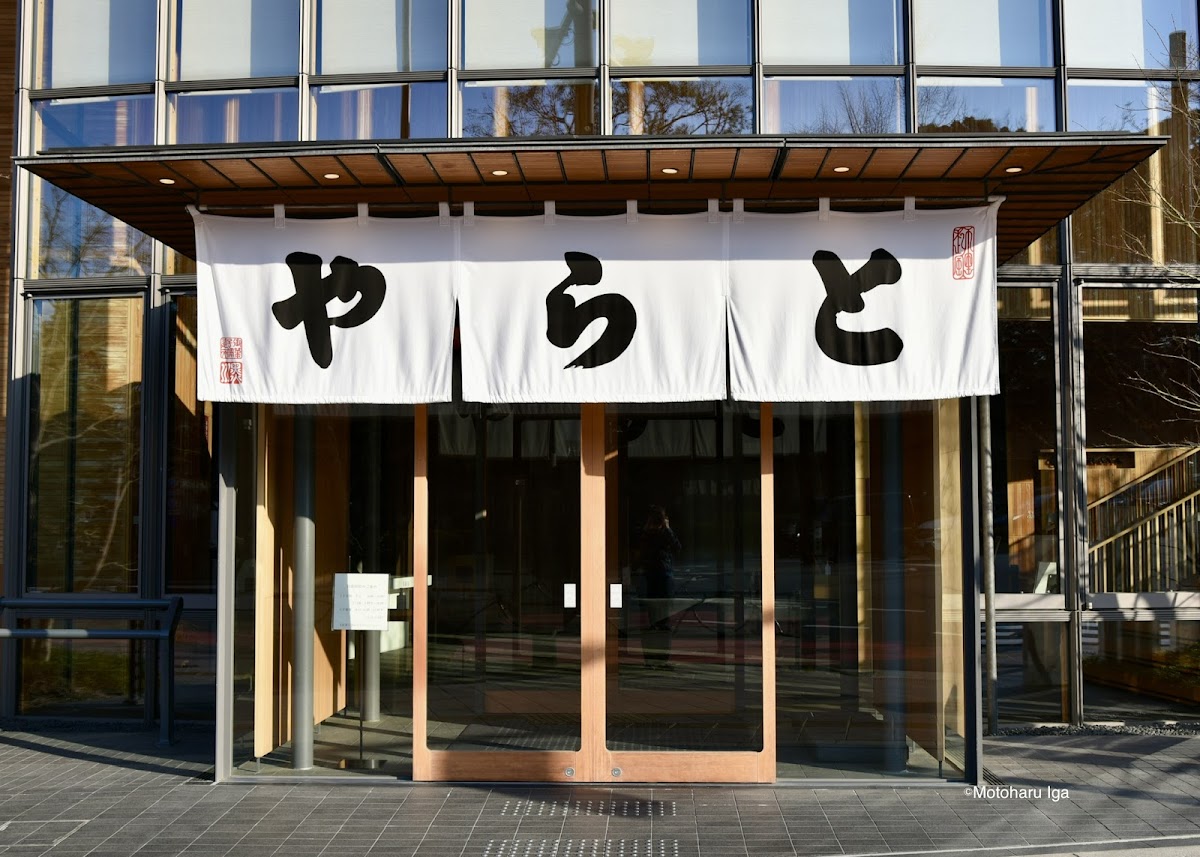
Toraya is one of the oldest businesses in the world that you can still walk into and buy something from. Founded in Kyoto in the Muromachi period (before 1600), it became purveyor of wagashi (traditional Japanese confections) to the Imperial household and followed the Emperor to Tokyo in 1869 when the capital moved. The Akasaka flagship — rebuilt in 2018 as a quietly striking modern building by architect Hiroshi Naito — is the brand's principal Tokyo location: a shop on the lower floors and the Toraya Karyo tearoom above.
The product is the deepest expression of wagashi as an art form. Toraya's yokan (firm sweet-bean jelly) is the benchmark against which all other yokan is measured; its namagashi (fresh seasonal sweets) change with the microseasons and are made to be as visually composed as they are eaten. These aren't snacks — they're a 500-year-refined craft, designed to accompany matcha in the tea-ceremony tradition, where the sweet's role is to balance the tea's bitterness and mark the season.
For visitors, the tearoom (Toraya Karyo) on the upper floor is the experience to seek: a calm, modern space where you order a seasonal namagashi or a bowl of shiruko (sweet bean soup) with a cup of matcha or roasted tea, and slow down. It's the most accessible high-end encounter with the tea-and-sweets tradition in central Tokyo — no ceremony to navigate, an English menu, but the real thing on the plate.
How to Experience It
Find it at 4-9-22 Akasaka, about seven minutes from Akasaka-Mitsuke Station or five from Nagatacho. The building is contemporary and understated — easy to walk past if you're expecting something ornate. The shop (yokan, namagashi, gifts) is on the lower floors; the Toraya Karyo tearoom is on the 3rd floor.
Shop hours are weekday 9:00-18:00, weekend/holiday 9:30-18:00; the tearoom runs 11:00-18:00 (last order 17:30). It's typically closed the 6th of each month (irregular — worth checking before a special trip). The tearoom may have a short wait at peak afternoon tea hours; mid-afternoon on a weekday is calmest.
In the tearoom, order from the English menu — a seasonal namagashi with matcha is the canonical pairing; in cold months the shiruko (hot sweet-bean soup with mochi) is the warming alternative. Eat the sweet before drinking the tea is the traditional sequence: the sweetness primes the palate for the matcha's bitterness.
What to Order
Tearoom: a seasonal namagashi (the fresh sweet of the moment, changing with the microseason) paired with a bowl of matcha. This is the intended Toraya experience — the seasonal sweet is the point, and the staff will explain the current one. Shiruko (sweet azuki soup with grilled mochi) is the heartier cold-weather order.
Shop (takeaway): the yokan is the canonical Toraya purchase and the benchmark of the entire category — a small block keeps for weeks and travels well, making it the rare genuinely refined Japanese gift you can carry home. The seasonal monaka and the dried higashi sweets are the lighter gift options.
Plan your visit
| Area | Akasaka |
|---|---|
| Category | Traditional Specialties |
| Price range | ¥1000-3000 |
| Hours | Shop 平日 9:00-18:00 / 土日祝 9:30-18:00 / Tearoom 11:00-18:00 (LO 17:30) |
| Closed | 毎月6日(不定) |
| Access | 東京メトロ赤坂見附駅から徒歩7分・永田町駅から徒歩5分・赤坂4-9-22 |
| Reservations | Walk-in — tearoom may have a short wait at peak |
| English menu | ✓ Available Yes — English menu in the tearoom; staff English-comfortable |
| English support | Yes — accustomed to international guests |
| Last verified | 2026-05-16 |
Nearby Experiences
Akasaka is a government-and-business district with quiet pockets — the Hie Shrine (a striking hilltop shrine with a tunnel of red torii) is ten minutes away, and the Akasaka Palace state guesthouse grounds are nearby. It's a calm, low-tourist part of central Tokyo well-suited to a slow tea stop.
Toraya is best framed as the refined-tradition counterpoint to the trip's casual eating — after street snacks in Asakusa and ramen counters across the city, an afternoon namagashi-and-matcha at the 500-year-old Imperial confectioner recalibrates what 'Japanese sweets' can mean.