
Isetan Shinjuku Depachika
The Most Curated Food Hall in Japan
B1 of Isetan's flagship: hundred-year wagashi houses, regional sake, Kyoto pickles, and the country's most aggressive seasonal rotation. Twenty minutes is enough; an hour is better.
Last verified: 2026-05-16
Why Japanese People Love It
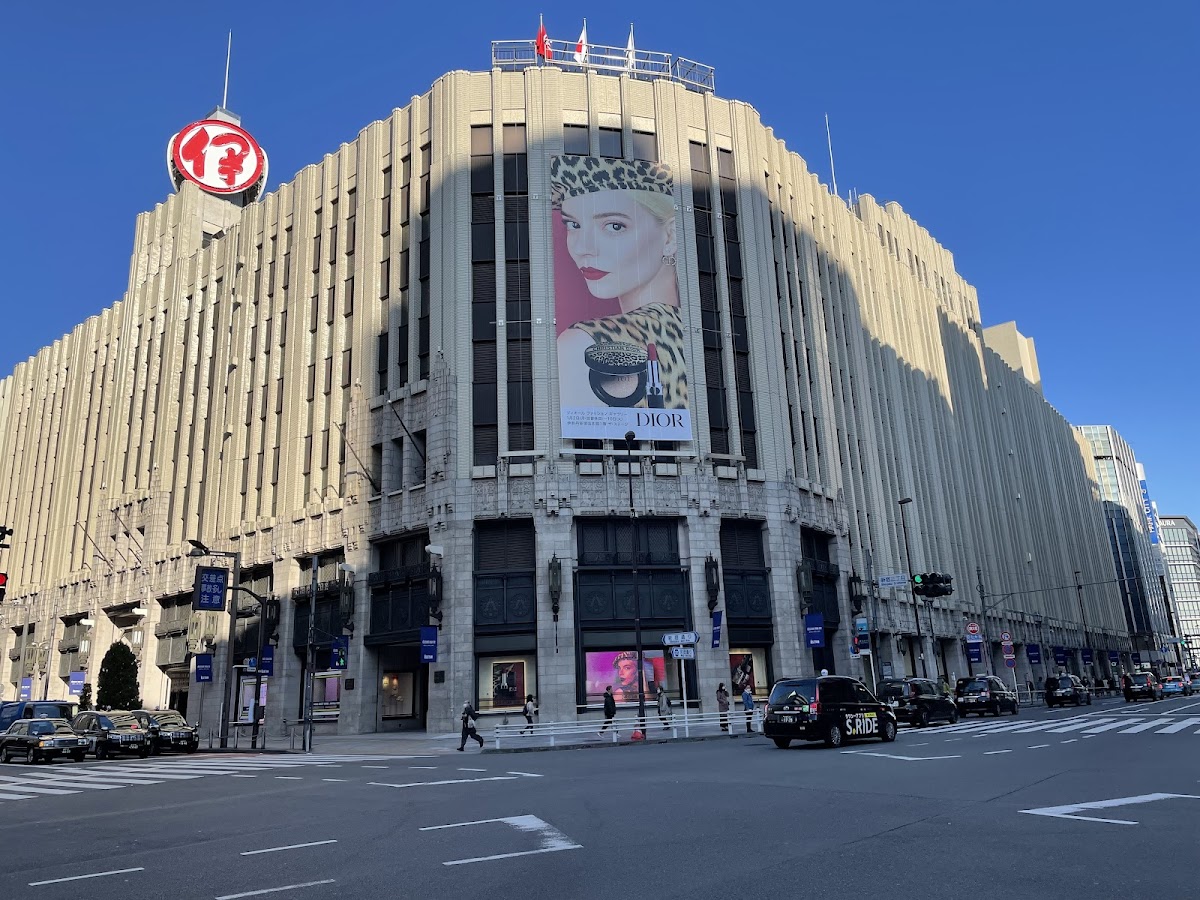
Isetan Shinjuku's main building was founded in 1933 and has, since the late 1980s, been Japan's reference store for high-end retail — Hermès, Comme des Garçons, the architecture itself. The B1 food floor (depachika) sits underneath all of that, and follows the same curation logic: every stall represents a producer Isetan's buyers consider best-in-class for that category. There are roughly a hundred specialty stalls — wagashi from Kyoto and Kanazawa, regional sake from twelve prefectures, Tokyo-baked pastries, prepared bento at three price tiers, oils, vinegars, salt, fish, pickles, fruit at gift-box prices, and the kind of seasonal counters that change every two weeks.
What makes Isetan's depachika different from competitors (Mitsukoshi, Takashimaya, Daimaru) is the buyer culture. Isetan rotates ten to twenty stalls per year as new producers earn slots and older ones lose them — the floor is genuinely curated rather than static. Locals follow this seasonally; a fall visit and a spring visit are different experiences. The 6pm-onward markdown (惣菜引き) on prepared foods is also famously aggressive: prices on bento and prepared dishes drop 20-30% to clear inventory, which converts a high-end shopping floor into a quietly accessible dinner destination.
For visiting tourists, the depachika is the highest-density food experience in Tokyo. In an hour you can sample (most counters offer small tastings), compare regional sake, buy single-origin chocolates, watch wagashi artisans assemble seasonal sweets, and pick up a dinner-quality bento for under ¥2,000. The English signage at major counters (and the tax-free service desk) means the friction for foreign visitors is unusually low compared with depachika at less international stores.
How to Experience It
Enter the main building (本館) at street level from Shinjuku-dori or descend directly from Shinjuku-Sanchome Station — the station connects to B1 via the underground passage. The depachika starts immediately at the basement level and wraps around the building's full footprint. There's no formal map at the entrance; the floor is large enough that the best strategy is to walk the full perimeter first to see what's there, then return to specific stalls.
Time your visit. Late morning (11:00-12:00) is quiet and good for browsing without crowds. Lunch hour (12:30-13:30) is crowded but useful for the seasonal counters. Mid-afternoon (15:00-17:00) is the calm before the dinner rush. The famous 18:00 markdown is when the prepared-food counters discount — but it's also the most crowded window.
Bring a credit card and the option for cash. Some stalls are card-only; some prefer cash; the IC payment system works at most. The tax-free counter (passport required) is at the customer service desk on each floor — for purchases over ¥5,000, the consumption tax refund is processed there.
What to Order
If you have an hour: start with the wagashi corner (look for the rotating regional features), then the sake counter (request the seasonal flight — usually three small pours for around ¥800), then move to the prepared-food (惣菜) section for either a bento (¥1,500-2,500) or by-the-piece small dishes. Finish at the chocolate / patisserie counter for a take-away dessert.
If you have twenty minutes: go directly to the seasonal feature counter (changes weekly, near the entrance), pick up a single specialty item (a slice of seasonal cake, a small wagashi assortment, or a piece of fruit at gift quality), and leave. The depachika rewards short focused visits as well as long browsing ones.
Plan your visit
| Area | Shinjuku |
|---|---|
| Category | Traditional Specialties |
| Price range | ¥500-5000 |
| Hours | 本館B1 食料品 11:00-19:00 / 本館 10:00-20:00 |
| Closed | 不定休(年数回の全館休業日) |
| Access | JR新宿駅東口から徒歩5分・東京メトロ丸ノ内線・副都心線・都営新宿線新宿三丁目駅直結 |
| Reservations | Most stalls walk-in / wine bar accepts reservations |
| English menu | ✓ Available Yes — English signage and bilingual staff at major counters |
| English support | Yes — multilingual support at information desks |
| Last verified | 2026-05-16 |
Nearby Experiences
You're directly across the street from Tsunahachi Shinjuku Sohonten, one minute on foot if you want a proper sit-down lunch instead of bento. Shinjuku-Sanchome's quieter drinking and dining streets begin two minutes east; Golden Gai is seven minutes north.
For a longer afternoon, walk south through the Shinjuku Gyoen entrance (the National Garden, ¥500 admission) for a slow stroll after eating. The garden's lawn benches are designed for exactly the kind of bento you've just bought.