
What “Shun” Means — Japan’s Seasonal Eating Concept, Explained
If you eat at a serious Tokyo restaurant, you'll see the word shun (旬) on menus, in chef's notes, in conversation. It is usually translated as "in season," which is not wrong but misses the point. Shun is a specific cultural concept about when an ingredient is most itself, and the difference matters.
The word shun (旬) appears constantly in Japanese food writing. Translated to English it usually becomes “seasonal” or “in season,” and a foreign reader nods and moves on. But the concept is more specific than that, and the gap between the English translation and the Japanese meaning explains why some Tokyo restaurants seem strangely indifferent about ingredients that would be celebrated elsewhere — and why others time their menus around windows of two or three weeks.
What Shun Literally Means
The character 旬 originally referred to a ten-day period — a third of a lunar month. By the time it entered Japanese food vocabulary in the Edo period (1603–1868), the meaning had narrowed: the specific window during which a particular ingredient is at its peak. Not just “in season,” but “at the moment within its season when it is most itself.”
For most ingredients, this window is two to four weeks. Sometimes shorter. The first sweet bonito of the spring (hatsu-gatsuo) has a window of about ten days. Cherry blossoms — and the food that’s served around them — peak for roughly seven days per year. Snow crab from the Sea of Japan has a slightly longer window in mid-winter.
The Three Sub-Categories
Within shun, Japanese cooking distinguishes three further phases — and a serious chef will note which phase you’re being served in:
- Hashiri (走り, “running”): the very first appearance of the season’s ingredient. Often expensive and not yet at peak flavor, but prized for the symbolic meaning of being early. The first hatsu-gatsuo bonito of spring sells at premium prices for the cultural meaning, not the eating quality.
- Sakari (盛り, “peak”): the middle of shun. Quality is at its highest, supply is most stable, prices are most reasonable. This is where most serious cooking lands.
- Nagori (名残り, “lingering”): the late-season tail, when the ingredient has begun to fade. Appreciated for its melancholy quality — the bittersweet recognition that the year’s window is closing. Often featured at autumn kaiseki meals.
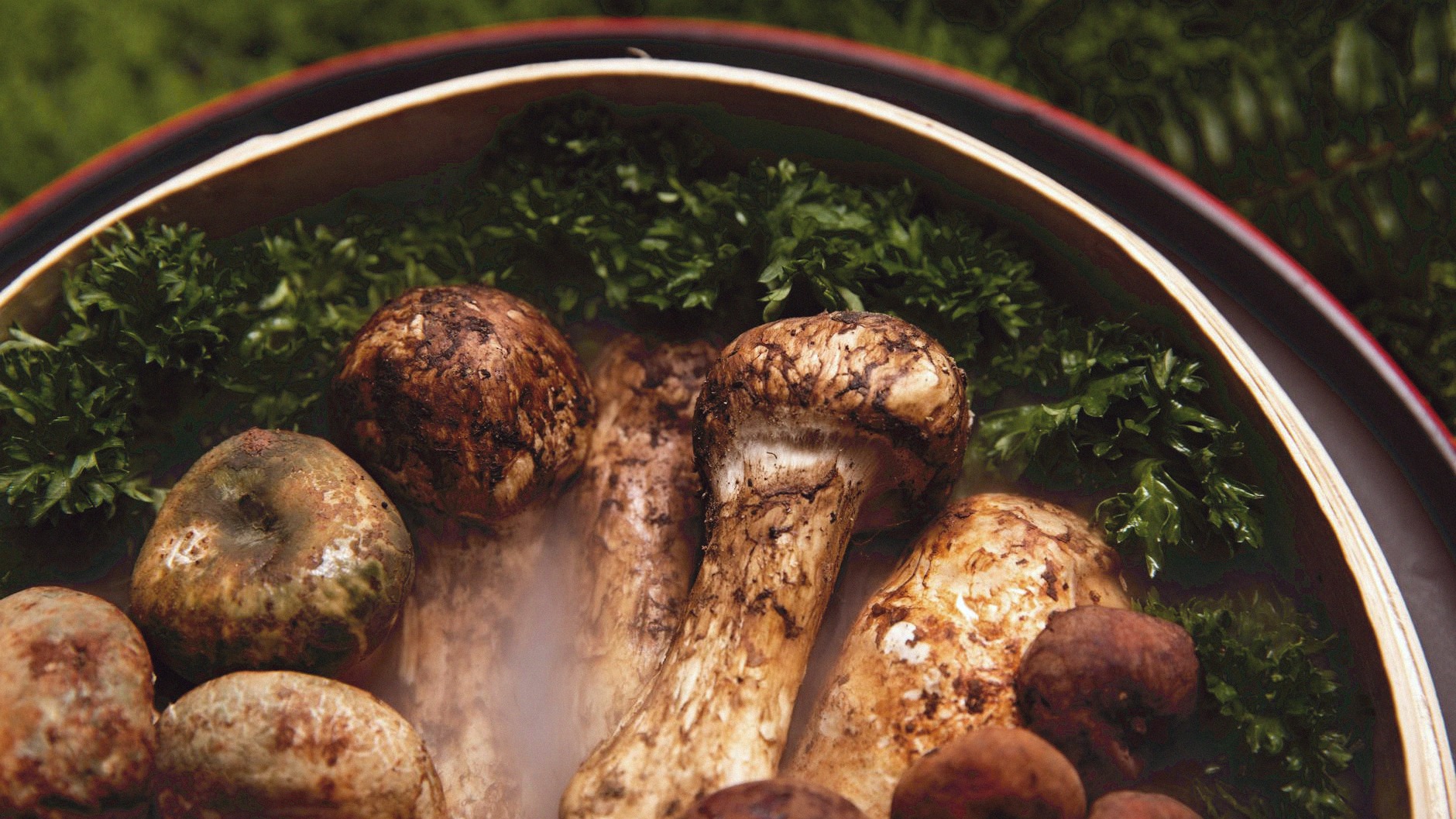
This three-phase model is why a single ingredient can be served three different ways across an eight-week period, and a Japanese diner will perceive each as a different experience. Hashiri matsutake (early-autumn pine mushroom) feels celebratory; nagori matsutake six weeks later feels reflective.
Why It’s Not Just “Seasonal”
Western food culture has a similar concept — eating asparagus when it’s in season, tomatoes in summer, oysters in winter — but the framing is different. Western seasonality is mostly about availability and quality. Shun is about timing, in a more compressed way, and about cultural narrative.
A Western restaurant in summer will feature tomatoes for three or four months. A Japanese restaurant working in shun will feature the same kind of fish (say, ayu, the sweetfish of summer rivers) for a six-week window, and within that window will adjust how the fish is prepared based on which sub-phase it’s in. Hashiri ayu might be grilled simply with salt to highlight its early character. Sakari ayu — peak — might be served with sansho pepper and rice, the supporting cast around it the most generous. Nagori ayu, late in the run, might be cooked into rice as an autumn closing dish.
The most famous seasonal ritual of all inverts this logic: eating eel on Doyo no Ushi is fixed to midsummer, even though wild eel is genuinely at its fattest in the cold months.
Same fish, three different roles in the meal, three different emotional registers, all within six weeks.
Why Tokyo Specifically
The shun concept reaches its highest expression in kaiseki (懐石) — Japan’s tasting-menu cuisine that emerged from tea ceremony practice in the 16th century. A serious kaiseki meal is structured around the moment in the year you’re eating it: the ingredients, the dishware, the calligraphy in the alcove, the flower arrangement, all chosen to point at where in the seasonal calendar you are.
Tokyo has dozens of high-end kaiseki restaurants — concentrated in Akasaka, Yotsuya, and Ginza — that operate on the shun calendar. The menu changes weekly or biweekly. The ingredient that was central in last week’s meal will be absent in this week’s, replaced by what has just come into peak. To eat at the same kaiseki shop monthly across a year is to receive twelve different meals, each pointing at a different two-week window of the calendar.
This is why a Tokyo kaiseki meal can cost ¥30,000 — not because of one ingredient, but because of the cumulative work of timing the entire menu to the present moment.
Outside the High End
Shun is most visible at the high end of Tokyo dining, but the concept also operates at midrange and even casual restaurants in subtle ways. A neighborhood izakaya will rotate its sashimi selection based on what’s good at the morning auction. A standing-bar yakitori counter will switch from chicken thigh to chicken liver in late autumn. A coffee shop will offer a hot soba broth in winter and remove it in spring.
None of these shifts are advertised heavily. The menu may not even change. But ingredients arrive based on what’s in shun, and the regulars notice.
The Calendar Roughly
For visitors curious which ingredients to look for in which season, the rough Tokyo calendar:
- Spring (March–May): bamboo shoots, sansho leaves, hatsu-gatsuo (first bonito), strawberries, sakura-themed sweets.
- Summer (June–August): ayu (sweetfish), unagi (eel), edamame, peaches, watermelon, cold soba/somen.
- Autumn (September–November): matsutake mushrooms, sanma (pacific saury), chestnuts, persimmons, new rice (shinmai), aji (horse mackerel).
- Winter (December–February): snow crab, fugu (pufferfish), oysters, daikon radish, mikan (mandarin oranges), nabe hot pots.
Within each, the specific peak windows are tighter. If you’re at a serious restaurant and ask the chef “what’s at peak right now?” — the answer is the most useful piece of information you can get, and most chefs are happy to answer.
How to Use This
If you’re planning a Tokyo trip around food, the shun calendar is more useful than a list of “top restaurants.” The same restaurant in March and October is two different experiences. A trip planned to coincide with a specific shun window — first bonito in May, snow crab in February, matsutake in October — concentrates the food experience in a way that random-week visits don’t.
The deeper move is to ask, when ordering omakase or kaiseki, what’s specifically at hashiri or nagori. The chef will adjust accordingly. You’ll receive a meal that’s not just seasonal but pointed at the present moment of the year.
Shun is easiest to taste when you chase specific windows. For when and where to eat each one, see our seasonal guides: sanma in autumn, new-crop shin-soba, and spring takenoko.
Winter has its own benchmarks: where to try shirako (cod milt), and when kan-buri (winter yellowtail) is at its fattest.
Shun is not just a translation problem. It’s a different way of organizing the relationship between time, ingredient, and meal. Once you see it, Tokyo’s serious restaurants suddenly make a lot more sense.