
Otoshi: the Tokyo Charge That Feels Like a Scam and Isn’t
A small dish you didn't order arrives, then a mystery ¥300–700 appears on the bill. Almost every visitor reads it as a quiet scam. It's the cover charge, made edible — what otoshi is, why it exists, and when you can actually refuse it.
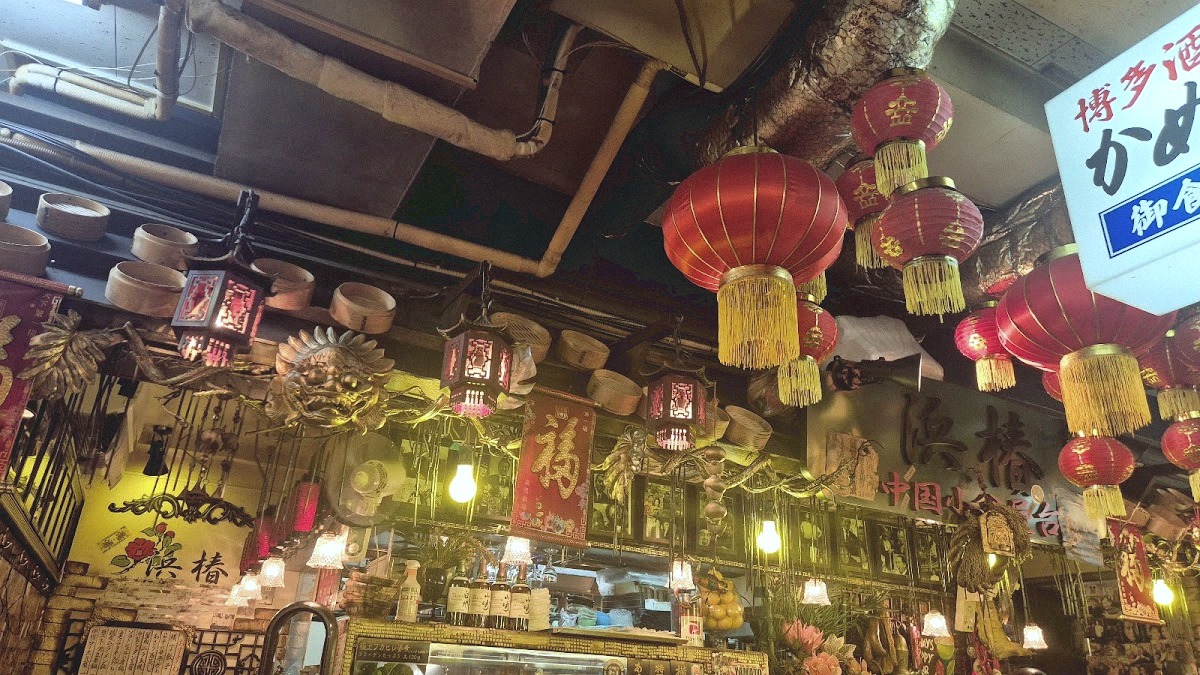
What is otoshi? Otoshi is a small dish — ¥300–¥700, roughly a tenth of your per-head bill (budgeted into the daily tiers of our cost of eating in Tokyo guide) — that an izakaya brings with your first drink and adds to the tab. It is Japan’s cover charge made edible: the price of the seat, not a scam, and the same idea as Italy’s coperto. You can legally decline it, but only when it is served, not when the bill arrives. It is the izakaya cousin of the no-tipping logic in tipping in Japan, and one of the hidden costs in our Tokyo food budget guide. Here is exactly how the system works, and the words to use.
You sit down at a Tokyo izakaya, order a beer, and a small dish you did not ask for arrives — pickles, simmered vegetables, sometimes something stranger. You eat it, or you do not. Then the bill comes with a line on it for three or four hundred yen you cannot account for, and the evening acquires a faint sense of having been worked. Almost every visitor meets this, and almost every visitor’s first read is the same: a small, quiet scam. It is not. It is one of the most misunderstood line items in Japanese dining, and the misunderstanding is entirely about missing context, not about being cheated.
This piece explains what that dish and that charge actually are, why the system exists, when you can refuse it, and how to stop reading it as a bait-and-switch.
What the Dish Actually Is
The dish has a name: otoshi (お通し), called tsukidashi (突き出し) in the Kansai region around Osaka and Kyoto. It is a table charge, delivered as food. Functionally it is the same thing as the coperto cover charge in an Italian trattoria — a small per-person fee for sitting down at a place that serves drinks — except that Japan packages it as an actual plate rather than an invisible line. The typical amount is around ¥300 to ¥700 per person (as of 2026, rising with inflation from the long-standing ¥300 floor), reaching ¥1,000 or more at upmarket bars. As a rough heuristic, a fair otoshi runs at roughly a tenth of your per-person spend; if it suddenly becomes a large share of the bill, that is a signal worth reading. You are not being given a free appetiser and then secretly billed for it. You are paying a cover charge, and the cover charge happens to be edible.
Reframed that way, it is arguably a good deal rather than a bad one. A Western service charge or tip returns nothing tangible. The otoshi returns a small, often genuinely good dish — and at many izakaya it functions as a quiet signal of the kitchen’s register: the otoshi is the one thing the kitchen chose for you, and it frequently tells you, in one bite, how much care the place takes.
Why the System Exists
Three logics stack underneath it. The oldest is operational: there is always a gap between ordering and the first hot dish arriving, so the izakaya brought a small plate with the first drink to fill that gap — and, historically, to physically confirm to the customer that the order had been received by the kitchen. The second is spatial: izakaya patrons sit for hours, sometimes nursing a single drink, and the otoshi recovers part of the cost of the occupied seat. The third is the one that ties this to the rest of Japanese dining: there is no tipping here, so the seat fee is the built-in substitute for the service margin a Western bill would add through a gratuity. If you have read our piece on tipping in Japan, the otoshi is the other side of that same coin — the no-tip system has to recover service cost somewhere, and this is one of the places it does.
Seen together, the otoshi is not an add-on to the meal. It is part of how the economics of sitting and being served are structured in a country that removed the tip. Calling it a scam is like calling a restaurant’s rent a scam because it is folded into the price of the food.
When You Can Refuse It
Whether you can decline depends entirely on how it was presented, and the distinction is legally real. If the otoshi is simply brought to the table with your first drink and never disclosed beforehand, you are generally entitled to refuse it — but you must do so when the dish arrives, by telling the server then, not at the end by disputing the line on the bill. Once the meal is over, the moment to decline has passed. If, on the other hand, the otoshi or a seating charge or a minimum was disclosed before you sat — posted at the entrance, stated by staff, printed on the menu — then accepting it became part of the agreement when you took the seat, and it is not refusable. In practice, refusing is uncommon and mildly awkward; knowing you can, and when, is more useful than actually doing it.
The practical move for most visitors is not to fight the otoshi but to expect it. Assume any izakaya, any place whose primary business is drinks, will add roughly ¥300 to ¥700 per person. Budget for it the way you would budget for tax. The charge is small and predictable; only the surprise was ever the problem.
How to Refuse or Ask About It — the Actual Words
If you do want to decline, or simply check whether a charge applies before you commit to a seat, say so when the dish arrives — not at the bill. Three phrases cover almost every situation. Pronounce them roughly as written; staff will understand.
Otoshi iranai desu (お通しいらないです) — “I don’t need the otoshi.” The plain refusal, said the moment the small dish is set down.
Otoshi nashi de onegai shimasu (お通しなしでお願いします) — “Without otoshi, please.” A softer, more polite version of the same request.
Otoshi wa arimasu ka? (お通しはありますか?) — “Is there an otoshi charge?” The question to ask before you sit, when you want to know whether a seat fee applies at all.
Two things to hold in mind. First, timing: the right moment is when the dish lands, because once the meal is over the chance to decline has passed. Second, register: among Japanese customers, refusing is uncommon and reads as slightly brusque, so the phrases are most useful for a genuine reason — an allergy, a dietary restriction, something you cannot eat — rather than to shave a few hundred yen off the bill. Knowing the words matters more than using them.
Where You Will Meet It
The otoshi belongs to drinking places, not to all restaurants. A cafe, a ramen counter, a conveyor-sushi shop, a gyudon chain, a family restaurant: no otoshi. A traditional izakaya, a small bar, a yokocho stall: expect one. On The Ondo Tokyo, Shirubee in Shimokitazawa is a textbook case — a full-scale izakaya where the otoshi is simply part of how the night is priced, and a fair one. The yokocho alleys are the same logic at smaller scale: at Ebisu Yokocho or Omoide Yokocho, individual stalls commonly levy a small seat charge in this form, and now you know to read it as the cover, not a con. The rule to carry: in a place built around drinking, the unrequested small dish is the price of the chair, it is usually worth eating, and the only thing that was ever wrong was that no one told you in advance. Now someone has.
How to Tell Otoshi From a Real Scam
The reason “otoshi” and “scam” get filed together is that Tokyo does have a genuine bar scam — and it is nothing like the otoshi. It runs out of certain nightlife pockets of Kabukicho (歌舞伎町), Roppongi (六本木) and parts of Shibuya (渋谷), and it almost always begins with a kyakuhiki (客引き) — a street tout who appears beside you offering a “cheap” bar, a “special” place, or somewhere “popular with foreigners.” Touting customers into bars this way is itself banned under Tokyo ordinances, which is the first tell: a place that breaks the law to get you through the door is not a place to trust once you are inside.
The two charges could not be more different, and the differences are concrete enough to use as a checklist at the door.
| Otoshi (お通し) — legitimate | A real scam | |
|---|---|---|
| Amount | ~¥300–700 per person (¥1,000+ at upmarket bars) | Several thousand yen per head, often ¥5,000–20,000 appearing at the bill |
| What you get | One small dish, served to everyone | Often nothing — a “set,” “service” or “table” fee with no food and no clear basis |
| How you arrived | You walked in yourself | A street tout (kyakuhiki) led you there |
| Pricing | Posted or stated; predictable | No posted prices, or prices that “change” once you sit |
| Applied to | Every customer, transparently | Selectively, especially to tourists |
So the practical rule is short: a few hundred yen, one small dish, applied to everyone, in a place you walked into yourself is otoshi — the cover charge, working exactly as intended. A multi-thousand-yen “set” with no dish, no posted price, in a bar a tout walked you into is the thing the otoshi keeps getting mistaken for. If a bill like that ever lands, you can call the consumer hotline 188 (the National Consumer Affairs Center’s line) or the police; the disclosure rules below are on your side.
FAQ
Can you refuse otoshi in Japan?
Often, yes — but only if it was not disclosed before you sat, and only at the moment the dish arrives, not at the bill. Say Otoshi iranai desu (お通しいらないです). If the seat charge was posted at the entrance, stated by staff, or printed on the menu, accepting it became part of sitting down and it is not refusable. In practice, refusing is uncommon and is best reserved for a real reason such as an allergy.
How much is otoshi?
Roughly ¥300 to ¥700 per person as of 2026, reaching ¥1,000 or more at upmarket bars. A fair otoshi sits at about a tenth of your per-person spend; anything dramatically higher is a signal worth questioning.
Is otoshi a scam?
No. It is a cover charge delivered as a small dish — the Japanese equivalent of an Italian coperto, and a substitute for the tip a Western bill would add. The real Tokyo bar scam is different: thousand-yen “set” fees with no dish, no posted prices, reached via a street tout. Otoshi is a few hundred yen, one dish, applied to everyone, in a place you walked into yourself.
Do all restaurants charge otoshi?
No — only drinking places. Izakaya, small bars and yokocho stalls charge it. Cafes, ramen counters, conveyor-sushi shops, gyudon chains and family restaurants do not.
What is otoshi versus tsukidashi?
They are the same thing under two names. Otoshi (お通し) is the term used in and around Tokyo; tsukidashi (突き出し) is what the identical seat-charge dish is called in the Kansai region around Osaka and Kyoto.
Sources & Further Reading
- National Consumer Affairs Center of Japan (国民生活センター) — consumer-affairs case examples (Japanese-language authority on undisclosed seat/table charges and the disclosure-before-seating rule; consumer hotline 188) (accessed June 2026)
- Gurunavi — Otoshi FAQ: a guide to Japan’s table-charge dishes
- Tokyo Weekender — Otoshi Explained: Japan’s “compulsory” appetiser
- Japlanease — Seat fees and otoshi in Japan (the legal refusal nuance: offered vs disclosed-before-seating)
- Tokyo Restaurants Guide — Otoshi (compulsory appetiser) (typical amounts; where it applies) (accessed June 2026)
Want the small, unwritten rules that keep you from overpaying in Tokyo? One dispatch a week. Join the ONDO Tokyo newsletter.