
How to Behave at a Sushi Counter Without Embarrassing Yourself
The mid-tier and high-end sushi counters of Tokyo run on rules nobody writes down — because everyone who eats at them already knows. Here are the rules, and the reasons behind them, written for people who are about to eat sushi for the first time at a place that takes the meal seriously.
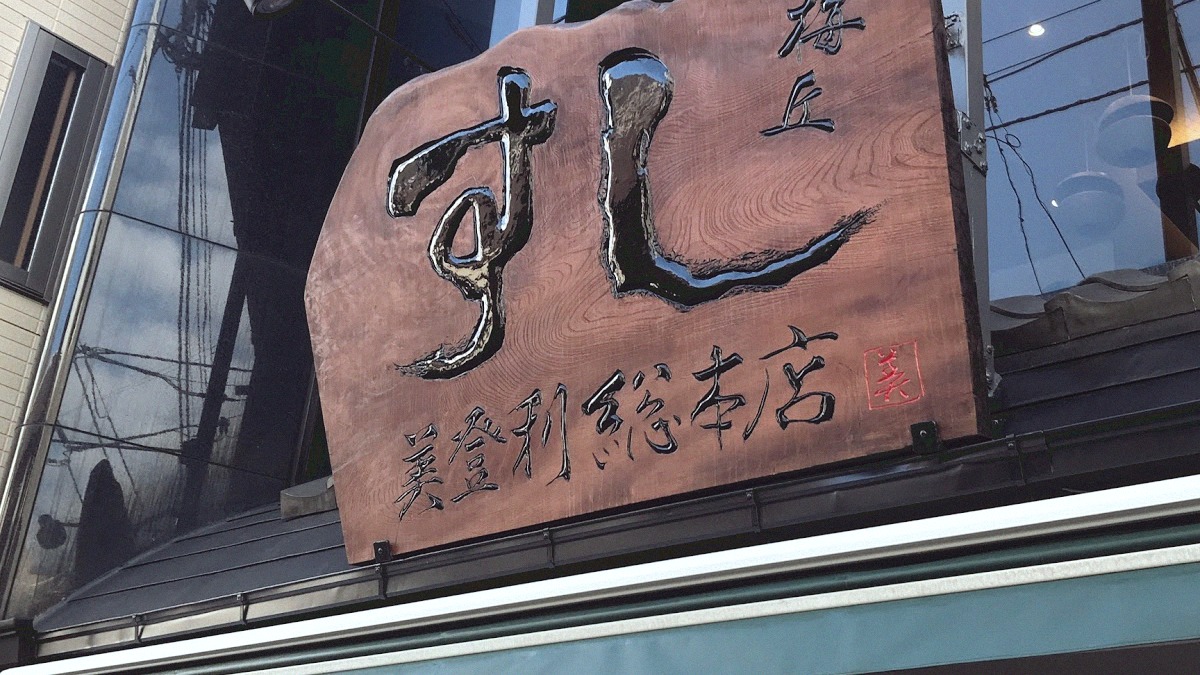
The first time you walk into a serious Tokyo sushi counter, the experience is unlike anything else in food. Eight to twelve seats. One chef working in front of you. No menu, or a one-line menu. The fish slides across the counter at a pace the chef sets. You eat. The bill arrives at the end and is large.
Almost everything that makes this experience work is invisible to a first-timer. The chef has spent ten years learning what to serve in what order. The other customers — most of them regulars — know how to receive the food. You don’t, yet. This piece is the rules.
Before You Sit Down
Show up on time. “On time” at a Tokyo sushi counter means the minute of your reservation, not five minutes early and not three minutes late. Arriving 15 minutes early is rude in the opposite direction — the previous seating may not be done, and the chef has not buffered for your arrival.
Don’t wear strong fragrance. The smell of cologne, perfume, or scented hair products near a counter that’s serving raw fish to twelve people is genuinely disruptive. The chef will not say anything. The other customers will not enjoy their meal as much. Wear nothing scented for sushi nights.
Tell the staff at booking — or at the latest, when you sit down — about any allergies or absolute dislikes. The chef will quietly adjust the sequence. Saying nothing and then refusing pieces mid-meal is the worst-case scenario.
At the Counter
Wash your hands at the entrance if there’s a basin. You’re about to eat with your hands.
Yes, you can eat sushi with your hands. At a serious counter, hands are preferred for nigiri (the rice-and-fish pieces) — the rice is shaped just loose enough that chopsticks compress it. Sashimi (raw fish without rice) is eaten with chopsticks. If you’re more comfortable with chopsticks for everything, that’s also fine. No chef will correct you.
The piece arrives with the topping facing up. The right way to eat it is to pick it up, rotate it so the topping faces down, dip the topping side lightly into soy sauce (if soy is offered separately), and place it in your mouth topping-side-down. The reason is twofold: the topping is what carries the soy flavor, and the rice — already lightly seasoned with vinegar and sugar — should not be dipped in soy at all. Dipping the rice side breaks the rice apart and over-salts the bite.
At higher-end counters, the chef will have already brushed a small amount of nikiri (a soy reduction) onto the topping. In that case, no soy is offered separately, and you eat the piece as-is. Don’t ask for soy.
Pacing
Eat each piece within thirty seconds of receiving it. The chef has timed the rice temperature, the wasabi level, and the seasoning to land in your mouth at a specific moment. Photographing the piece for two minutes destroys this.
One photo is fine. Two is fine. A photo session is not. The chef will be polite, but they’re tracking how long the piece sits, and the meal’s pace will recalibrate around the slowest eater at the counter.
Do not save pieces for last. The order is the chef’s, and the order matters. Light, white-fleshed fish first; richer, fattier fish later; cooked or sweetened pieces (eel, sweet egg) at the end. Eating fatty tuna first because you like it best ruins the structure.
What You Can Say
The chef will probably tell you what each piece is. You can acknowledge with a brief “hai” (yes), “oishii desu” (delicious), or just a nod. You don’t have to make it a conversation.
If the chef is friendly and you’re inclined, you can ask short questions. “Where is this fish from?” or “What season is this?” — those are normal counter questions and most chefs enjoy explaining their work briefly. Don’t monopolize the conversation; there are other customers.
What you do not say: “Can I have more wasabi?” “Can I have it with no rice?” “Can I get a roll?” These are not malicious requests, but they signal that you would have been happier at a different kind of restaurant.
The Wasabi and Soy Question
At a serious counter, the chef has already wasabi’d. There is wasabi between the fish and the rice; the amount is calibrated to the type of fish (more for white fish, less for fatty tuna). Adding more wasabi on top is not a mortal sin, but it’s a small statement that you don’t trust the chef’s judgment.
If soy sauce is on the counter for you to dip yourself, dip the topping side. Lightly. The soy is a flavor accent, not a sauce.
Pickled ginger (gari) is meant to be eaten between pieces as a palate cleanser, not on top of the sushi. A small piece, between bites of different fish.
Drinking
Sake, beer, or sparkling water are all standard at a sushi counter. Sake is most traditional but a craft Japanese beer is equally welcome. White wine is fine. Red wine is uncommon — its tannins compete with the rice vinegar — but no chef will refuse it.
Drink slowly. The pacing of drinking should match the pacing of eating, which is moderate. Showing up to a sushi dinner already drunk is rude in a serious-counter way; the meal is built around attention.
Paying and Leaving
The bill arrives when you signal you’re finished. At many counters there’s no menu, no posted prices, and you don’t ask in advance — the price is set by what the chef served you. Top-tier counters in Ginza or Roppongi run ¥30,000–¥50,000 per person at dinner, ¥10,000–¥18,000 at lunch.
Pay where you sat unless directed otherwise. Tipping is not done — see our piece on tipping in Japan.
On your way out, the standard farewell is gochisousama deshita (“thank you for the meal”). Said to the chef, the staff, or both. The exchange is brief; you don’t need a longer goodbye.
The One Thing Nobody Tells You
The chef is paying attention to your face. They’re not staring, but they’re watching. They are tracking which pieces you light up at and which you eat without comment. By the seventh or eighth piece, they have a model of what you like, and they are adjusting the rest of the meal in real time.
This is why the omakase format matters: you give up control, and in exchange the chef calibrates the meal to you. If you eat with attention — slowly, with your face open, with small reactions — you are giving the chef the data they need. If you eat with your phone up, photographing every piece, you are not giving them anything to work with.
The best sushi meals you’ll have in Tokyo are the ones where you trust the counter and let yourself be seen. The rules above are the structure that makes that possible.