
How Much Does Eating in Tokyo Cost? A 2026 Budget Guide (3 Traveler Tiers)
How much does eating in Tokyo actually cost? The honest breakdown across three traveler tiers — ¥3,500 a day, ¥7,500 a day, ¥18,000 a day — with real menus and real numbers.
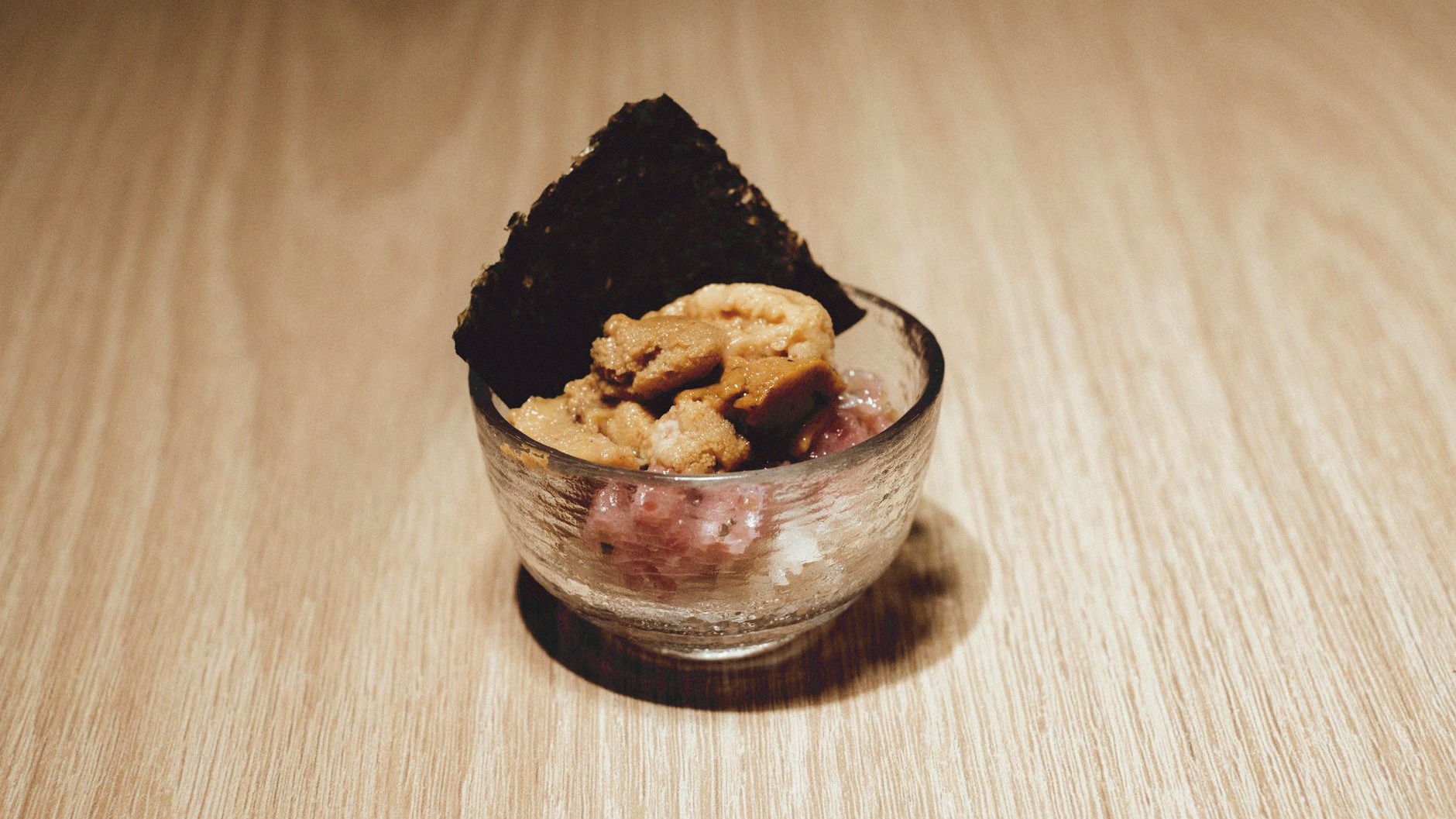
How much does eating in Tokyo cost? Budget around ¥3,500 a day (~$22) as a backpacker, ¥7,500 (~$47) as a standard traveler, and ¥18,000 (~$113) if you have come for the food — at roughly ¥159 to the US dollar in August 2026. What follows is what each tier actually buys, with named shops and real menu prices.
The most common question we get from first-time Tokyo travelers is some version of: “How much should I budget for food?” The honest answer is that it depends on which Tokyo you are eating in. The same city contains a ¥350 standing soba lunch and a ¥40,000 omakase dinner, often within walking distance of each other.
This is the practical Tokyo food budget guide — the real cost of eating in Tokyo broken into three realistic traveler tiers — backpacker (¥3,500/day), standard (¥7,500/day), and splurge (¥18,000/day) — with actual restaurant categories, real menu prices, and the trade-offs at each level. Figures are in Japanese yen, with US-dollar equivalents at ¥159/USD (August 2026), and reflect prices in central Tokyo.
Why Tokyo’s Food Cost Spread Is So Wide
Tokyo has the deepest restaurant ecosystem of any city in the world. The MICHELIN Guide Tokyo 2026 lists 160 starred restaurants — 12 with three stars, 26 with two, and 122 with one — more than any other city, a position Tokyo has held for 19 consecutive years (source: MICHELIN Guide Tokyo 2026; accessed June 2026). At the other end of the spectrum, the konbini (コンビニ, convenience store) food and standing-counter shops are also some of the best in the world for the price.
The implication: a budget that works in Paris or New York doesn’t translate directly. A serious lunch in central Paris is ¥4,000–¥6,000; in Tokyo, you can eat a serious lunch for ¥1,200 or for ¥18,000 and both are recognizable as “a serious lunch.” The decision is not about quality — there is excellent food at every price point — but about which experience you are buying.
Tier 1: Backpacker — ¥3,500 / day (~$22)
The cost of eating in Tokyo at the budget end is genuinely low. ¥3,500 covers three meals a day at a level that locals also use — not a tourist downgrade. This is the working-class Tokyo eating budget, slightly above what most office workers spend on weekday lunches.
Breakfast (¥400–¥600): A konbini onigiri, a hot drink, and a banana. Or, at a sit-down standing-counter shop, a small soba bowl with tempura. The konbini chains — 7-Eleven, Lawson, FamilyMart — sell rice balls at ¥150–¥250 each that are made fresh and rotated three times a day. Two onigiri plus a coffee runs ¥500.
Lunch (¥1,000–¥1,400): A bowl of ramen at a counter shop. Fuunji’s tsukemen runs ¥1,150. Nagi’s niboshi ramen, ¥1,000. A teishoku set — protein, rice, miso soup, pickles — at a neighborhood shop runs ¥1,200–¥1,400. Lunch in this tier is the meal where the gap between Tokyo and other major cities is most visible. You eat very well for very little.
Dinner (¥1,500–¥2,000): A large bowl of ramen and a beer, a tendon at a casual tempura shop, or three small plates at a yokocho izakaya counter. The yokocho dinner — described in our Tokyo yokocho guide — is exactly in this range. The food is honest, the seats are first-come, and the experience is one most tourists overpay to access by going to the wrong restaurants. The cheapest serious dinner of all is a department-store basement bento marked down in the last hour before closing; we map the timing in why Tokyo’s best cheap dinner is a depachika.
Hidden costs: One mid-afternoon coffee (¥350) and one evening konbini snack (¥250) push the daily total to about ¥3,500. The convenience store culture in Tokyo is dense enough that you do not need to plan snacks; you walk past three konbini per kilometer in central Tokyo.
Tier 2: Standard Traveler — ¥7,500 / day (~$47)
This is the realistic budget for the traveler who wants to eat well, try a range of restaurant categories, and have one nicer meal per day. ¥7,500 buys two casual meals plus one mid-tier dinner with drinks. This is the default ONDO recommendation for travelers without a specific budget constraint.
Breakfast (¥800–¥1,200): A proper café breakfast — toast, eggs, coffee — at a kissaten (Japanese-style coffee shop). A morning set at a kissaten runs ¥800–¥1,200. Or a more substantial Japanese-style breakfast at a hotel café: rice, grilled fish, miso soup, pickles for ¥1,200–¥1,500.
Lunch (¥1,500–¥2,500): A serious tonkatsu set at Maisen Aoyama (¥1,800–¥2,500), a tendon at Imahan in Asakusa (¥2,000–¥3,000), or a sushi lunch set at a counter (¥2,000–¥3,500). Lunch teishoku is the deal of the day at almost every Tokyo restaurant — typically half the price of dinner for nearly the same food.
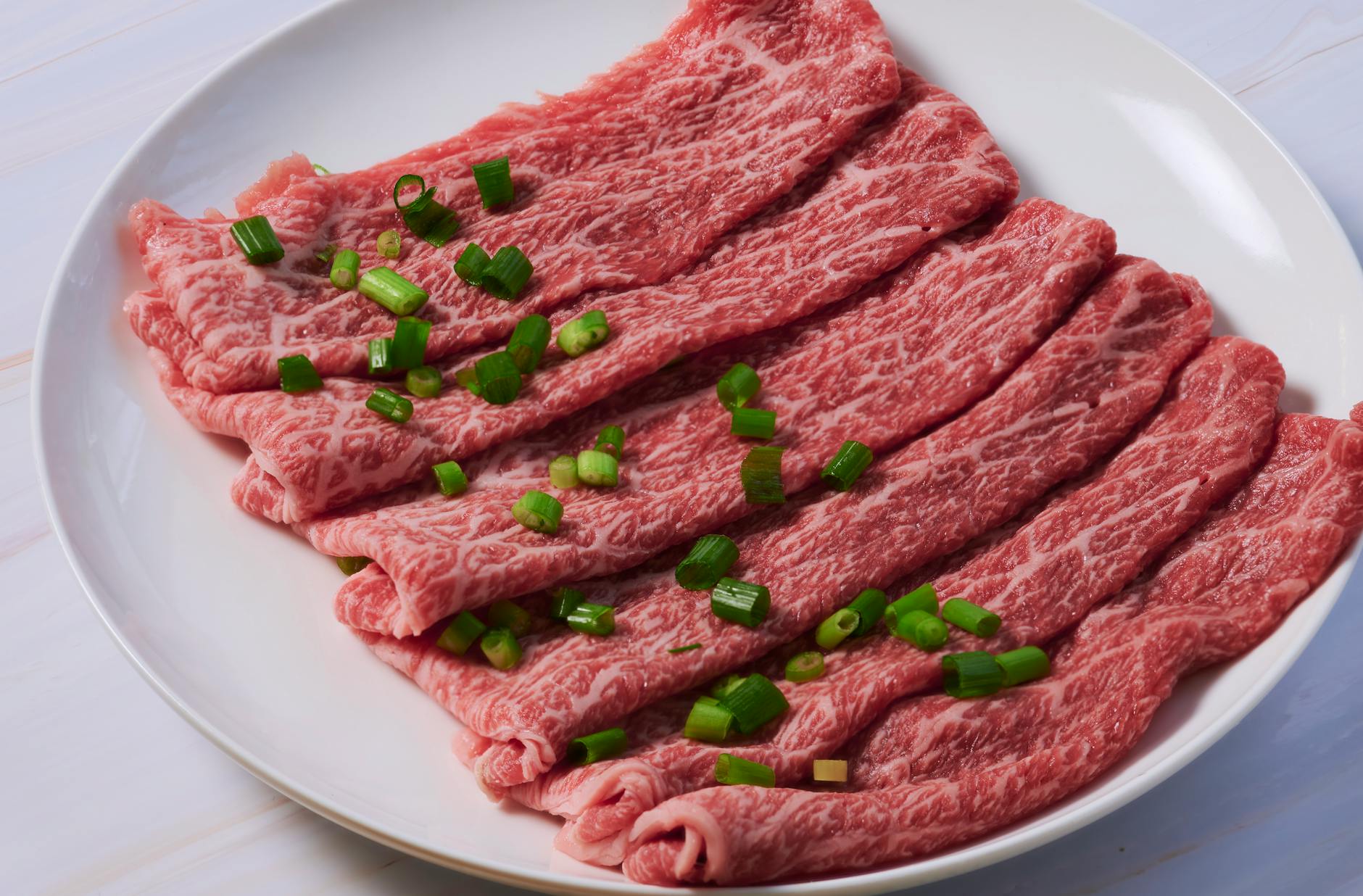
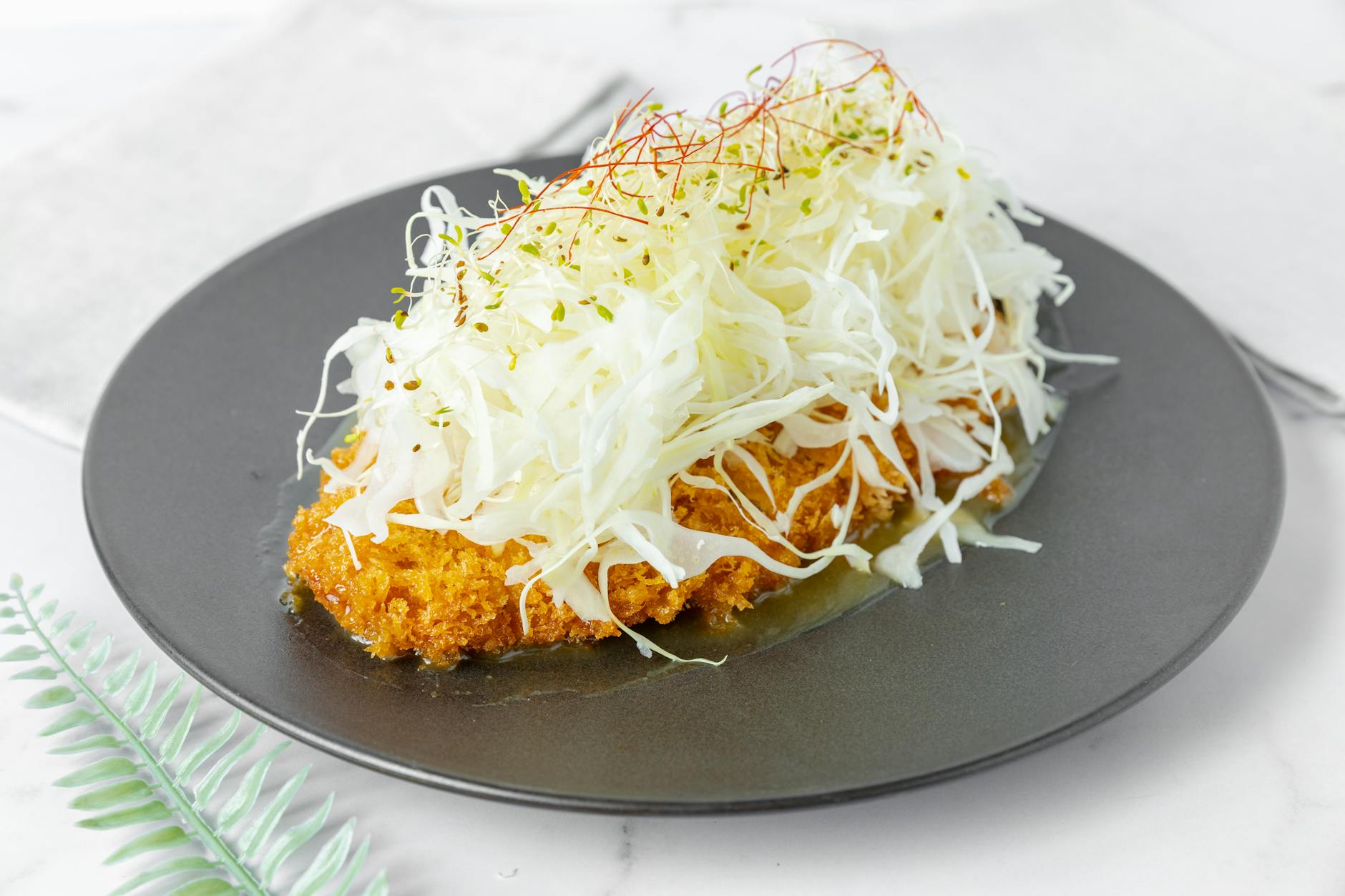
Dinner (¥4,000–¥5,000): An izakaya evening — three to five small plates, two drinks, ninety minutes — at a serious counter. Or a nicer ramen + side dishes + beer at a hyped shop. Or a kappo-style evening at a small Japanese restaurant where the chef serves a three-course set for ¥4,500. Dandadan Sake Bar in Nakano is a classic example of this tier.
What you don’t get at this tier: Michelin-starred meals, top-tier omakase, kaiseki at major Akasaka shops. You do get most of what makes Tokyo eating distinctive — the counter geometry, the seasonal ingredients, the small-shop owner-operator culture — at a price that compounds over a multi-day trip without straining the trip budget.
Tier 3: Splurge — ¥18,000 / day (~$113)
This is the budget for the traveler who has come to Tokyo specifically for the food. ¥18,000 a day buys one excellent counter lunch, a proper dinner at a serious restaurant with drinks, and an afternoon stop at a coffee or pastry shop. Over a five-day trip, this tier opens up the city’s flagship dining experiences.
Breakfast (¥1,500–¥2,000): A proper hotel breakfast or a longer kissaten morning. Or — the splurge move — a Tsukiji Outer Market visit for fresh sashimi-on-rice at 8 am, before the crowds arrive. A serious sashimi breakfast at the market runs ¥1,500–¥2,500.
Lunch (¥4,000–¥8,000): A mid-tier omakase lunch — full sushi course, single chef, ten to fifteen pieces, ¥5,000–¥8,000. Or a Michelin-recognized tempura counter at lunch (¥4,500–¥6,500). Or a serious unagi lunch at Izu-ei Honten by Shinobazu Pond, where ¥4,500–¥6,000 buys a set in a 290-year-old shop with a view. The splurge lunch is consistently the best value tier — the dinner equivalent of these meals runs roughly double.
Dinner (¥8,000–¥12,000): A serious kappo or sushi dinner with sake. The price covers a 90-to-120-minute meal, eight to twelve courses, and drinks. At the higher end, you are at the entry tier of Tokyo’s Michelin-starred restaurants. This is the meal you reserve four to six weeks ahead through a hotel concierge or Pocket Concierge.
What ¥18,000 a day still doesn’t buy: The flagship omakase counters that charge ¥40,000–¥80,000 for a single meal (these are a separate category, not part of any reasonable daily budget), or the kaiseki experiences at top Kyoto-style ryotei in Akasaka. Both are worth doing once on a trip, but as a one-time spend rather than a daily rate.
How Much Does Food Cost in Japan Beyond Tokyo?
Most travelers assume Tokyo is Japan’s most expensive food city. The data says otherwise: eating out costs roughly the same across Japan, and for some staples Tokyo is the cheap end. Japan’s official Retail Price Survey tracks a standard bowl of shoyu ramen across 81 cities every month; the national average hit a record ¥736 in 2026, while Tokyo’s figure was ¥610 — 75th of 81 cities, cheaper than Kyoto (¥819), Nagasaki (¥833), or Hakodate (¥879) (source: Retail Price Survey data compiled at whatmakesjapansmile.com, accessed August 2026). On the broader food index, Tokyo sits at 104.5 against a national average of 100, with Osaka around 99 — a five-point spread, not a chasm.
The practical translation: the three daily tiers in this guide work almost 1:1 anywhere in Japan. The ¥3,500 backpacker day functions the same in Osaka, Fukuoka, or Sapporo; the ¥7,500 standard day buys the same category of meals nationwide. What genuinely costs less outside Tokyo is everything around the meal — hotels and intercity transport — not the food itself. And the one category that is genuinely Tokyo-priced is the top end: the flagship omakase and kaiseki counters cluster in the capital, and so do their price tags.
The Lunch Arbitrage — Tokyo’s Best Budget Trick
The single highest-leverage move in any Tokyo food budget is to eat at lunch the places you would otherwise pay for at dinner. The same kitchen, often the same dishes, runs at roughly half price at midday. A Maisen tonkatsu set is ¥1,800–¥2,500 at lunch; the dinner equivalent climbs past ¥4,000. A counter sushi lunch is ¥2,000–¥3,500 for what becomes a ¥6,000–¥10,000 dinner. Even a serious Imahan beef lunch lands near half its evening price. Build your splurge into lunch and your evenings into counter ramen and yokocho, and you eat at the next tier up for the budget of the tier below.
Daily Budget Comparison Table
The three tiers, side by side, in actual menu prices.
| Tier | Breakfast | Lunch | Dinner | Snacks | Daily | Per week | USD/day |
|---|---|---|---|---|---|---|---|
| Backpacker | Konbini ¥500 | Ramen ¥1,150 | Yokocho ¥1,800 | ¥350 | ¥3,500 | ¥24,500 | ~$22 |
| Standard | Kissaten ¥1,000 | Tonkatsu ¥2,000 | Izakaya ¥4,500 | ¥500 | ¥7,500 | ¥52,500 | ~$47 |
| Splurge | Sashimi ¥2,000 | Omakase ¥6,500 | Sushi ¥9,000 | ¥800 | ¥18,000 | ¥126,000 | ~$113 |
Per-Meal Price Reference
A quick lookup for the individual items that make up each tier. These are typical central-Tokyo prices, last verified June 2026; the actual figure at any given shop moves a little either way.
| Item | Typical price |
|---|---|
| Konbini onigiri (おにぎり, onigiri, rice ball) | ¥150–¥250 |
| Standing soba (立ち食いそば, tachigui soba, stand-and-eat soba) | ¥350–¥500 |
| Counter ramen | ¥1,000–¥1,400 |
| Lunch teishoku (定食, teishoku, set meal) | ¥1,200–¥1,400 |
| Conveyor sushi, per plate | ¥110–¥220 |
| Omakase (お任せ, omakase, chef’s selection) lunch | ¥5,000–¥8,000 |
| Izakaya otoshi (お通し, otoshi, seating dish) | ¥300–¥800 |
Things That Aren’t in the Daily Number
Five line items that travelers consistently underestimate when budgeting eating in Tokyo.
The otoshi (お通し, otoshi, seating dish). Almost every izakaya brings an unrequested seating-fee dish (¥300–¥800) that lands on your bill. Across a week of izakaya visits, this adds up to ¥3,000–¥5,000. It is a cover charge, not a scam — we explain the custom in otoshi: the Tokyo charge that isn’t a scam.
Tax and service. Tokyo restaurants list prices either tax-included (税込, zeikomi, tax-included) or tax-excluded (税抜, zeinuki, tax-excluded). Japan’s consumption tax on eat-in restaurant meals is 10% (takeout and konbini food sit at the reduced 8% rate) — source: JETRO / National Tax Agency, accessed June 2026. Some hotel restaurants and Michelin venues add a 10–15% service charge on top. A meal listed as “¥10,000” at a serious restaurant can land at ¥12,500 after tax and service.
Drinks at high-end restaurants. The food price at omakase counters often does not include drinks. Sake pairings at serious restaurants run ¥5,000–¥10,000 on top of the meal. Beer and wine markups are similar.
Coffee and snacks between meals. A specialty coffee in central Tokyo is ¥500–¥700. A pastry from a serious bakery, ¥400–¥600. Across a Tokyo-walking day, the snack and coffee total can add ¥1,500–¥2,500 to the food line.
The one big splurge. Most travelers add one ¥30,000+ omakase or kaiseki meal as a one-off during the trip. This is not built into the daily budget; it sits on top.
Cash vs. Card
Budgeting eating in Tokyo means budgeting in cash for at least part of every day. Japan reached roughly 58% cashless payment by value in 2025 (source: METI, accessed June 2026), which still leaves around 40% of spending in cash — and the share is higher at exactly the kind of small restaurant you want to eat at. Despite Tokyo’s image as a hyper-modern city, many of the best small restaurants — the ramen counters, the yokocho izakaya, the older sushi shops — are cash-only. The reason is partly generational (older shop owners do not want to absorb card processing fees) and partly cultural (cash flows faster at a small counter where seats turn quickly). We cover the why and the survival tactics in our cash-only Tokyo guide.
The practical rule: carry at least ¥10,000 in cash per person per day. ATMs that accept foreign cards exist at every 7-Eleven and FamilyMart, a convenience JNTO (Japan National Tourism Organization) flags for visitors. Most chain restaurants, hotel restaurants, and high-end omakase counters take cards; the gap is the middle of the spectrum, where the food is best.
A Realistic 5-Day Tokyo Food Budget
If you are planning a five-day Tokyo trip and want one consolidated number to plan around, the ONDO recommendation:
- 4 days at the Standard tier (¥7,500/day): ¥30,000
- 1 splurge day (¥18,000): ¥18,000
- 1 one-off bucket-list dinner: ¥30,000
- Cash buffer for snacks, coffee, otoshi: ¥5,000
Total food budget for 5 days in Tokyo: ¥83,000 per person, or roughly $520 USD. (Converted at ¥159/USD as of August 2026; the yen is down about 8% year-on-year and trading near the ¥160 line that has previously drawn official intervention — source: Bank of Japan / market data, accessed August 2026. The weak yen is the single biggest reason Tokyo food feels cheap to foreign visitors right now.) This delivers two big meals (one ¥18,000 day, one ¥30,000 dinner), three solid mid-tier days, and enough flex for the small things that the daily total always misses.
If you cut the bucket-list dinner and the splurge day, the same five days costs ¥40,000 — about $250. If you add a second bucket-list dinner, the total is ¥120,000 (~$750). Tokyo accommodates almost any food budget, in either direction, without requiring you to compromise on quality. That is the city’s real culinary advantage, and it is the part most budget guides get wrong.
Building a Tokyo eating list? Save the shops in this guide to My List — it lives on your device and travels with you in the city.
Tokyo Food Budget FAQ
How much should I budget for food per day in Tokyo?
Plan on about ¥3,500 a day at the backpacker end (konbini, ramen counters, yokocho), ¥7,500 a day as a standard traveler who wants one nicer meal daily, and ¥18,000 a day to splurge on counter lunches and serious dinners. At ¥159/USD (August 2026) that is roughly $22, $47, and $113 per day. ¥7,500 is the default ONDO recommendation for travelers without a specific budget constraint.
Wondering whether the splurges actually pay off? Three worth-it breakdowns: is sukiyaki worth it in Tokyo, and is a counter tempura dinner worth it, and is Michelin ramen worth the queue.
Is eating in Tokyo expensive?
Less than most first-time visitors expect, especially right now. A serious lunch that would cost ¥4,000–¥6,000 in central Paris can be ¥1,200 in Tokyo, and the weak yen — down about 8% year-on-year as of August 2026 — makes every yen price cheaper in dollar or euro terms. The spread is enormous: the same city has a ¥350 standing soba and a ¥40,000 omakase. You choose which experience you buy, not the quality.
How much cash should I carry for food in Tokyo?
Carry at least ¥10,000 in cash per person per day. Japan was about 58% cashless by value in 2025 (METI), but the best small restaurants — ramen counters, yokocho izakaya, older sushi shops — skew cash-only. ATMs that take foreign cards sit inside every 7-Eleven and FamilyMart, so topping up is easy — and if a reader rejects your card mid-meal, here is the calm way out.
What is the cheapest way to eat well in Tokyo?
Eat lunch instead of dinner at the places you care about — lunch teishoku is typically half the price of dinner for nearly the same food. Lean on counter ramen (¥1,000–¥1,400), konbini onigiri (¥150–¥250), standing soba (¥350–¥500), and department-store-basement bento marked down in the last hour before closing. That keeps you at the ¥3,500-a-day tier without eating like a tourist on a downgrade.
Do I tip at Tokyo restaurants?
No — tipping is not part of Japanese restaurant culture, and leaving cash on the table can cause confusion. The izakaya equivalent is the otoshi, a small ¥300–¥800 seating dish that lands on your bill automatically; serious and hotel restaurants may add a 10–15% service charge, which is printed, not optional. There is nothing extra to add yourself.
Is Tokyo expensive for families with kids?
Not especially — family restaurants, food halls, and the okosama (kids’) sets built into most casual places keep a family’s per-head cost near the Standard tier or below. We cover feeding children and picky eaters in Tokyo with kids and picky eaters.
Related Tokyo Eating Guides
- The Tokyo yokocho guide — the cheapest honest dinner in the city
- Why Tokyo’s best cheap dinner is a depachika
- What omakase actually means — before you book a splurge counter
- Tabelog vs Google Maps — how to read Tokyo restaurant ratings
Prices move with the season and the yen. We keep this guide current and send one Tokyo eating dispatch a week — seasonal timing, new openings, and where the value actually is. Join the ONDO Tokyo newsletter.