
Niboshi: The Sardine Stock That Defines Tokyo Ramen
Tokyo's most aggressive bowls of ramen taste of dried sardines — bitter, oily, savory, almost confrontational. The reason has less to do with cooking and more to do with where Tokyo's working-class drinkers eat after midnight.
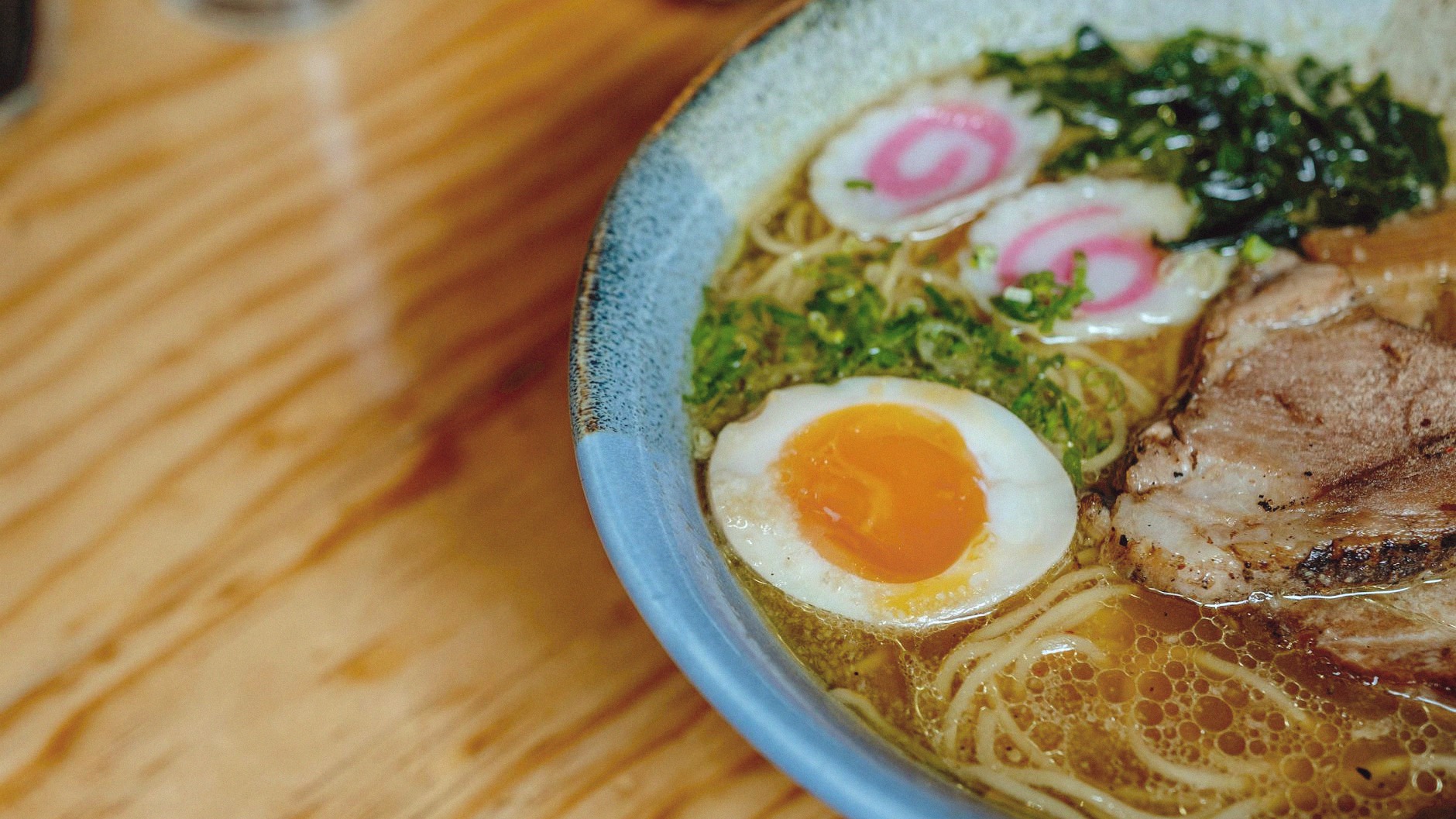
The first bowl of niboshi ramen you eat in Tokyo is a small shock. It is fishier than you expect, in a way that has nothing to do with seafood freshness. The broth tastes like the inside of a dried-fish pantry — pungent, slightly bitter, oily on the lip — and it is engineered to be exactly that intense. You will either not finish it, or you will become a person who orders it for the rest of your life.
Niboshi (煮干し, “boiled and dried”) are dried whole sardines. They look like small silver pencils, six to eight centimeters long, sold by the bag at every Japanese grocery. The Japanese kitchen has used them as a stock base for at least 400 years — they were the cheapest source of umami in a country where bonito flakes were a luxury. But the way Tokyo’s modern ramen shops use them, in the doses they use them, is something else entirely.
What Niboshi Actually Is
The fish is almost always Japanese anchovy (katakuchi-iwashi, カタクチイワシ), caught primarily in the Seto Inland Sea between Honshu and Shikoku. Smaller catches come from the Pacific coast of Chiba and Ibaraki. The sardines are boiled in heavy salt water for several minutes, then dried in the sun for two to three days until the moisture is almost entirely gone and the flesh is dense and chalky.
Quality is graded by where the head meets the body. A high-grade niboshi keeps its head intact, has a silver belly with no oxidation, and breaks cleanly when bent. Lower grades are headless or oxidized to a copper color, which means the oils have gone slightly rancid — not enough to be inedible, but enough that a serious cook will not use them.
Cheap niboshi sells for ¥800 per kilogram. Top-grade niboshi from a specific Setouchi cooperative sells for ¥4,000–¥5,000. A serious ramen shop uses two to three kilograms of niboshi per day. The difference between cheap and serious shows up in a single bite.
Why Tokyo, Specifically
Niboshi-style ramen exists across Japan, but its strongholds are weirdly specific: Aomori in the north, and within Tokyo, the working-class neighborhoods of Hachioji (the western edge), Akabane (just north of Ikebukuro), and pockets of Kameido and Sumida east of the river. These are not the trendy parts of Tokyo. They are the parts where construction workers, train conductors, and night-shift factory employees live, and where the dominant after-work activity is drinking.
This connection is not aesthetic. It is functional. Niboshi broth is built to be eaten at the end of a long drinking session — the bitter-savory hit of a high-dose niboshi bowl pushes through alcohol-dulled taste buds in a way that the cleaner shoyu ramen of Ogikubo or Asagaya cannot. The bowl is, in the most literal sense, a hangover prevention device. The salt restores fluid balance, the protein settles the stomach, the umami floods the brain with finishing-meal signals that overpower the alcohol.
This is why niboshi shops cluster around train terminals where the last train runs late. It is also why the format never gained traction in Marunouchi or Roppongi — the white-collar audience there eats lunch at noon, not ramen at midnight, and the broth would taste excessive to a sober palate.
How a Shop Builds the Broth
The standard process at a serious niboshi shop runs about 10 hours and is deceptively simple. The cook starts by removing every niboshi’s head and dark belly cavity by hand — the head contains the most flavor but also the most bitterness, and the belly carries oils that go fishy when overcooked. A traditionalist removes both. A modernist removes only the belly and lets the head go in for the bitterness, then balances against it.
The prepped niboshi is soaked in cold water overnight, then heated slowly to 65 °C and held there for two to three hours. Boiling is the cardinal sin: it drives the fish oils into the broth in a way that turns harsh and grainy on the tongue. The niboshi is removed before the broth is finished, and a second extraction is sometimes made by adding a small handful of fresh niboshi at high heat for ten minutes — a trick called oikake (追いかけ, “chasing”) that adds aromatic top notes without further bitterness.
The shop’s signature is what gets layered onto this base. Some add chicken or pork bones for body. Some hold the broth pure niboshi and balance it with fat (lard or chicken fat) added at the bowl. Some add kelp (kombu) or shiitake for a more rounded umami profile. The variations are endless, but the ratio is always the same: niboshi is the lead vocalist, never the backup.
What to Taste For
If you have eaten only mild ramen before, the first sip of a niboshi bowl will register as overwhelmingly fishy. Wait three sips. By the third sip your palate has recalibrated and you start to taste the structure underneath: a clean savory base, slight bitterness on the back of the tongue (this is the niboshi head talking), and a long oily finish that coats the mouth and signals “end of meal” to your nervous system.
The grades to learn are roughly:
- Light niboshi (淡麗煮干し, tanrei niboshi): clear broth, restrained fishiness, balanced with chicken stock. The entry point.
- Standard niboshi (中濃煮干し, chuno niboshi): cloudier broth, dominant niboshi flavor, often with a fish-bone undertone. The most common style in Tokyo’s working-class shops.
- Heavy niboshi (濃厚煮干し, noko niboshi): thick, almost paste-like, with so much extracted niboshi solid that the broth is opaque brown. Sometimes called baki-iri (バキ入り) when raw niboshi powder is added at the bowl. This is the late-night-after-five-beers version.
Most first-timers should start with the standard. The heavy is genuinely punishing for a sober palate.
Where to Try It Well
The most-celebrated niboshi shops sit outside central Tokyo. Hachioji has a dense cluster around its station — the genre is sometimes called Hachioji-style. Aomori prefecture, six hours north by shinkansen, is the country’s other niboshi capital and has its own subgenre with a darker, heavier expression. Within central Tokyo, the most accessible high-quality niboshi bowls are in Akabane and Kameido, both 10–15 minutes from Ikebukuro or Tokyo Station.
If you cannot make it to those neighborhoods, central Tokyo’s tsukemen counters offer the next-best entry point. Many tsukemen broths — including the one at Fuunji in Shinjuku — use heavy niboshi alongside pork bone, which is how that bowl gets its distinctive bitter-savory undertone. It is not a pure niboshi experience, but it tells you what the ingredient does in concentration.
The general rule for finding a serious niboshi shop: look at the side of the store window for a hand-painted character that reads 煮干し or 鰮 (the older kanji for sardine). Look at the price: a serious niboshi bowl runs ¥1,000–¥1,400, never ¥800. And look at the time. Most niboshi specialists open late (often 17:00 or later) and stay open until 02:00 or 04:00. They are not lunch shops. They are part of the rhythm of a Tokyo evening, and they should be eaten on that rhythm.