
Tokyo with Kids and Picky Eaters: Easier Than You Think, and Why
The dread is unnecessary, and not by luck. In 1930 a Tokyo department store invented the children's plate — and the whole country inherited the design. Why Tokyo is structurally easy with a fussy eater, and exactly what to lean on.
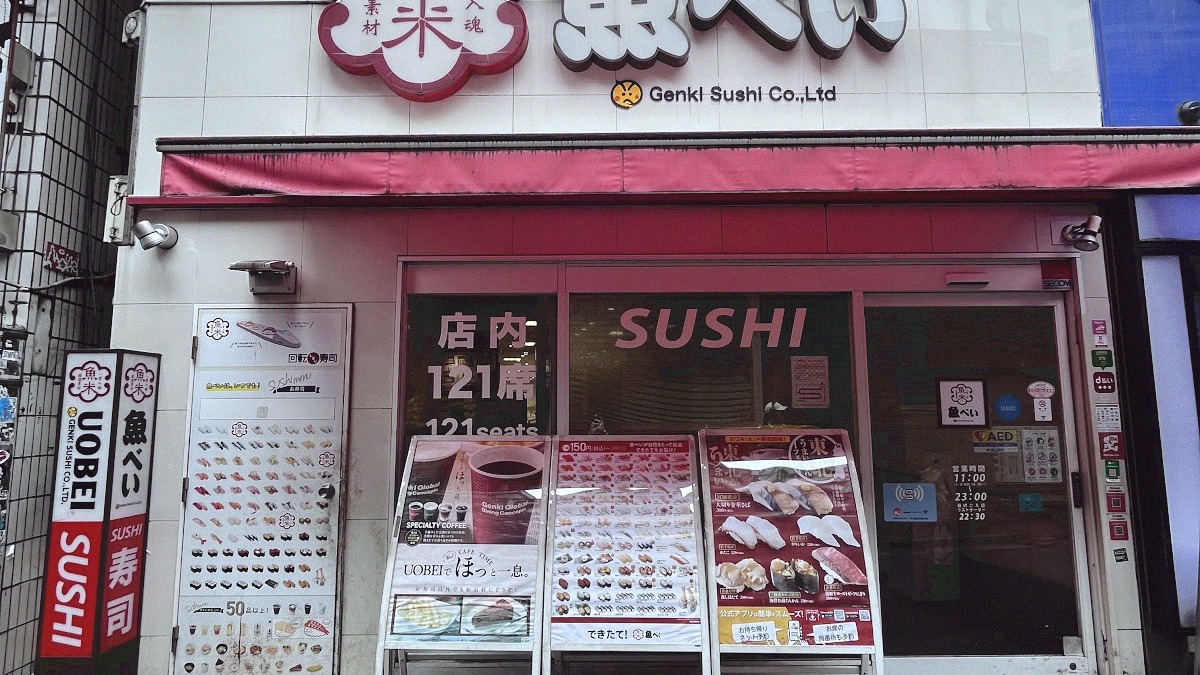
Is Tokyo hard with kids or picky eaters? No — it is one of the easiest big cities in the world to feed a fussy child, and by design: the okosama (kids’) set has been built into Japanese restaurants since the 1930s. Plain rice, noodles, grilled meat, eggs, and gyoza are everywhere; conveyor-belt sushi and okonomiyaki let a child choose by sight; and a konbini is never far. Here is what to lean on, in order.
Parents of young or fussy eaters often approach a Tokyo trip braced for a fight: unfamiliar food, no language, an assumption that a culture this refined will have no patience for a child who only eats plain rice. The bracing is unnecessary, and not by luck. Tokyo is one of the easiest major cities on earth to feed a reluctant eater in — because nearly a century ago someone designed it to be, and the whole country inherited the design.
This piece is that origin and what it built: where the kid-and-picky-eater infrastructure came from, why it is structural rather than accidental, and exactly which categories to lean on so a meal with a difficult eater is the easy part of the day.
The Plate That Started It
In 1930, at the Nihonbashi Mitsukoshi department store in Tokyo, the head of the dining floor, Taro Ando, invented a dish for children: the okosama lunch (お子様ランチ, the children’s plate). It was the depths of the Depression, and the idea was deliberately emotional — a small plate of the Western-style foods children almost never got at home, arranged to delight: ketchup-fried rice moulded into a tiny Mt. Fuji with a flag planted on the summit. The flag was the masterstroke. It turned finishing the plate into an achievement, a trophy. That single, sentimental act did not stay in one store. It moved through department-store cafeterias and was absorbed wholesale into Japan’s family-restaurant culture, until a dedicated, generous, gently-presented children’s meal became something close to a national default. Tokyo is easy with kids because the country decided, in 1930, that feeding children well was a thing worth designing around — and never stopped.
Why That Makes Tokyo Structurally Easy
That origin matters because it means the help is built into the infrastructure, not improvised per restaurant. The okosama-lunch instinct shows up everywhere a visiting family actually eats: family restaurants with picture menus and a child’s set; conveyor sushi where a child points at a moving plate or a screen and never has to speak or be brave; chains whose entire promise is the identical, mild, predictable plate a picky eater needs; convenience stores stocked with safe, recognisable food at any hour; and the plastic food models in windows that let a non-verbal child simply point at exactly what they want. The famous spice-shyness of mainstream Japanese cooking — often read by adults as blandness — is, for a picky child, the feature: the default is mild, unsauced, separable. None of this is a concession a kind waiter is making for you. It is the 1930 design, still running.
The Okosama Default, by Name
The abstraction becomes useful the moment it has names on it. Two things to look for and ask for: the okosama set, and the small list of dishes a reluctant eater almost always accepts. The set first. Every Japanese family-restaurant chain carries an okosama setto (お子様セット, children’s set) — descended directly from the 1930 plate, often still the flag-on-rice arrangement — and you find it on the menu under お子様メニュー (okosama menyu, children’s menu). Saizeriya is the budget anchor, an Italian-leaning chain where many mains are reportedly under ¥500; Gusto, Royal Host, and Jonathan’s all run a full children’s menu; and Tonkatsu Wako’s kids set comes with a small toy, which buys a parent ten quiet minutes. Across these chains an okosama set typically runs about ¥500–¥700 (as of June 2026; confirm in-store, since prices drift).
Then the dishes. When you are off the kids’ menu — at a counter, a food hall, a station restaurant — these are the items a fussy eater tends to eat without a fight, and they are everywhere:
| Dish | Japanese (first use) | Why it works for a picky eater |
|---|---|---|
| Japanese curry rice | カレーライス (kare raisu) | Mild and slightly sweet — thickened with apple and honey, nothing like the heat of Indian or Thai curry. Comes plain over rice; child can mix or not. |
| Udon in plain broth | うどん (udon) | Soft, thick wheat noodles in a light, unsauced broth. About as gentle as a hot meal gets. |
| Ramen | ラーメン (ramen) | Noodles plus a clear soy or salt broth; toppings can be left off entirely on request. |
| Tonkatsu | とんかつ (tonkatsu) | Breaded, fried pork cutlet — a familiar shape and texture, served with the sauce on the side. |
| Omurice | オムライス (omuraisu) | Ketchup-seasoned fried rice folded in a plain omelette — a direct descendant of the okosama plate. |
| Karaage | からあげ (karaage) | Japanese fried chicken, mild and unsauced — the safe bite on nearly every menu, including izakaya. |
One of these has an ONDO room of its own: Maisen in Aoyama is the tonkatsu most likely to convert a sceptical child — not a chain, serving exactly the safe dish under its real name.
What to Lean On, in Order
Turn the structure into a plan. Make the conveyor your default dinner: Uobei is point-and-tap with no conversation, and Heiroku Sushi is the calmer belt — a child controls the entire meal, which is the whole battle won. Keep a chain as the certainty net: CoCo Ichibanya lets a picky eater build the exact plate to the exact mildness, the same logic our piece on when the chain is the right answer covers in full. Use the depachika for the no-restaurant escape: the Isetan food hall lets everyone, including the fussy one, see and choose, then eat as a park picnic — expanded in the depachika piece. And keep one pure delight in reserve: Rainbow Pancake is the okosama-lunch spirit alive — the plate engineered to make a child happy. For the pointing-and-plastic-models tactic, reading a Japanese menu is the companion read, and the etiquette master answer is permission to stop worrying: a child eating simply, in any of these rooms, is breaking no rule.
Keep one more layer below all of that: the familiar-food safety net, for the night when nothing on any menu works. The convenience store is the reset — a konbini (コンビニ, convenience store) carries onigiri rice balls, plain bread, fruit, and yogurt at any hour, which assembles into a hotel-room or park-bench picnic in minutes. And Kaldi Coffee Farm — a Japanese import-grocery chain found in or beside most large station buildings — stocks the home-flavour insurance: peanut butter, breakfast cereal, plain crackers. Between the two, a picky child in Tokyo is rarely more than a few minutes’ walk from food they already recognise, which is the quiet thing that makes the whole trip relaxing rather than tense.
What to Skip, and the One Rule
Skip forcing the high-end, sequenced, adult rooms with a young child — not because a child is unwelcome but because those rooms are the one place the structure does not bend, and the meal will be work for everyone. Skip assuming “no English menu” means “nothing my child will eat” — the window models and the conveyor remove the language problem entirely. And skip the guilt about defaulting to the predictable: in Tokyo the predictable plate is genuinely good, which is the point of the whole 1930 idea. And the parent’s oldest trick still works best here: put the plate down without narrating it, because half the battle is a child deciding they dislike something before they have tasted it. The one rule for eating Tokyo with a difficult eater: let the child control the plate — point, tap, build, choose — because the city was designed, almost a century ago, so that a child finishing a meal feels like planting a flag on it.
Quick Answers
What will a picky child actually eat in Tokyo?
The reliable shortlist: Japanese curry rice (mild and slightly sweet), udon in plain broth, ramen, tonkatsu (breaded fried pork), omurice, karaage (mild fried chicken), plain white rice, and fries. All are mild, mostly unsauced, and available almost everywhere — at family restaurants, station diners, and food halls.
Do Tokyo restaurants have kids’ menus?
Yes. Every family-restaurant chain carries an okosama set (お子様セット), a children’s plate that typically runs about ¥500–¥700 (as of June 2026) — a line item that barely dents the daily tiers in our Tokyo food budget guide. It descends from the okosama lunch invented at Nihonbashi Mitsukoshi in 1930, so the kids’ menu is a built-in default across the country, not a rarity.
Where do I go if my kid eats nothing?
The convenience store (konbini) is the reset — onigiri, plain bread, fruit, and yogurt at any hour, made into a hotel or park picnic. For home flavours, Kaldi Coffee Farm, in or beside most large station buildings, stocks peanut butter, cereal, and plain crackers.
Is Japanese curry too spicy for children?
No. Japanese curry (kare raisu) is mild and slightly sweet — thickened with apple and honey and far gentler than Indian or Thai curry — which is why it is a standard kids’ dish in Japan.
Sources & Further Reading
- Kikkoman Corporation — Okosama Lunch (Food Forum) (the 1930 Mitsukoshi origin; Taro Ando; the flag)
- HIGHLIGHTING Japan (gov-online.go.jp, official) — What Is Yoshoku (why Western-style kids’ food became a Japanese institution)
- Kids Web Japan (web-japan.org) — the children’s ‘Happy Meal’ (how the okosama lunch spread through family-restaurant culture)
- ukiyo journal — why a children’s lunch has a flag (the flag as a ‘trophy of food’; the achievement design)
- Royal Host — Kids Menu (official) (family-restaurant okosama set; pricing accessed June 2026 — prices drift, confirm in-store)
- Just One Cookbook — Japanese Curry (why kare raisu is mild and slightly sweet versus Indian/Thai curry)
Planning the food side of a Tokyo trip with kids? We send one practical Tokyo eating dispatch a week — where the value is, what is in season, what is new. Join the ONDO Tokyo newsletter.