
Takenoko: Tokyo’s Spring Bamboo Shoot, and Where It’s Actually Fresh
The takenoko on a Tokyo plate in April is rarely Kyoto's famous shoot — and the one thing that decides whether it tastes of spring or cardboard is the clock. Where to eat it, what it costs, and the garnish that tells you it's fresh.
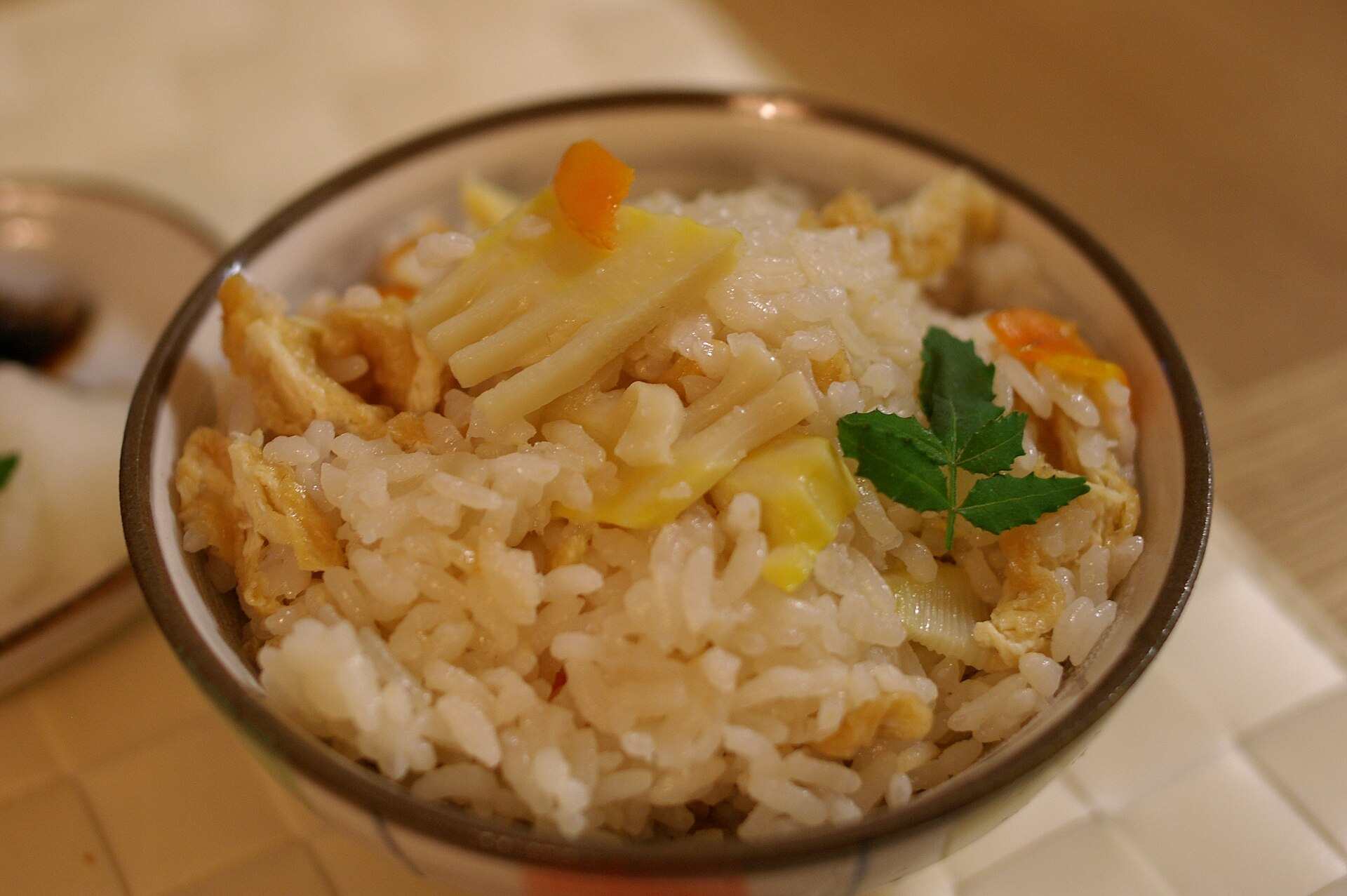
If you want to eat takenoko (たけのこ, fresh bamboo shoot) in Tokyo in April, go to a tempura or kappo counter that prepares it the same day it arrives — not a supermarket, and not a restaurant that buys it vacuum-packed. The reason is a clock, not a region. The bamboo shoot on a Tokyo plate this spring is almost never the famous Kyoto shoot you’ve read about; it comes up through the Ota wholesale market mostly from Shizuoka, Fukuoka and Kumamoto. What decides whether it tastes like spring or like wet cardboard is how many hours have passed since it was dug. Two walk-in-able counters get this right and serve the shoot as tempura with salt: Tsunahachi Sohonten in Shinjuku, the everyday anchor, and Ten-ichi in Ginza, the refined end. That is the answer the current top results bury under a culture lesson. Here is why it’s the right one.

The Tokyo Bamboo Shoot Isn’t Kyoto’s — It Comes Up Through Ota
Every explainer about bamboo shoots reaches for Kyoto’s kyo-takenoko (京たけのこ, Kyoto bamboo shoot) — the prized shirako (白子, “white-flesh”) shoots dug from clay-mulched groves, low in bitterness and tender enough to eat raw as sashimi when freshly lifted. That shoot is real, and it is wonderful. It is also mostly not what Tokyo eats. The Ota wholesale market — the central market that supplies most of the city’s restaurants — sources its shoots from across the country, and where they come from tells the story. By share of the shoots arriving at Ota in recent annual data, the top supplying prefectures are Shizuoka (around 341 tonnes, roughly 22%), then Fukuoka (about 323 tonnes, 21%) and Kumamoto (about 260 tonnes, 17%) (accessed May 2026). Those are the prefectures Tokyo’s takenoko comes from, not figures for any one Tokyo restaurant — and Kyoto barely registers in that ledger.
This matters because the supply chain changes what’s on the plate week to week. Early in the season, the first shoots reaching Tokyo are Kyushu’s — Kagoshima and Kumamoto lead March, with Fukuoka close behind. By April the volume explodes: the Ota market handled roughly 809 tonnes that month in recent figures, about three-quarters of the whole year’s trade, now led by Kumamoto and Fukuoka, with Shizuoka filling in. So a shoot you eat in Tokyo in early April and one you eat three weeks later may have travelled from different prefectures, dug on different mornings. Nationally, the harvest of mosochiku (孟宗竹, moso bamboo, the main edible variety) runs roughly March to May and peaks in April. Knowing this won’t change your order, but it should change your expectation: in Tokyo, “bamboo shoot season” is a Kyushu-and-Shizuoka event with a Kyoto reputation.
Freshness Is the Whole Story, and It’s a Race Against the Sun
Here is the fact none of the “what is takenoko” articles connect to where you eat: bitterness rebuilds the moment a bamboo shoot leaves the ground. The unpleasant astringency Japanese cooks call egumi (えぐみ, harsh bitterness) and aku (灰汁, bitter scum) develops the instant the shoot is dug, and it accelerates with sun exposure — the longer the shoot sits in light, the harsher it gets. That single mechanism explains almost everything about where to eat well.
The fix is aku-nuki (灰汁抜き, bitterness removal), and it has to happen fast. The standard method is to boil the whole unpeeled shoot for 45 to 60 minutes in water with komenuka (米ぬか, rice bran) and a dried red chili, then let it cool in that same cooking water. Done the day the shoot arrives, this catches the bitterness before it sets and locks in the faint sweetness and the texture — crisp at the base, almost silky at the tip. Done a day late, or skipped because the shoot came pre-boiled and vacuum-sealed, and you taste the difference immediately: flat, slightly woody, the spring drained out of it. This is why the supermarket pouch and the convenience-store takenoko-gohan taste of nothing in particular, and why a counter that runs its own same-day aku-nuki is worth seeking out. You are not paying for prestige. You are paying for hours that didn’t pass.
The Four Forms It Takes — and the Garnish That Tells You It’s Fresh
Once you know the clock, the menu reads differently. Tokyo serves the spring shoot in four classic forms, and each shows a different part of it. Tempura with salt is the most legible: deep-frying tames the last trace of bitterness, which is exactly why spring shoots — alongside fukinoto (ふきのとう, butterbur bud), taranome (たらの芽, angelica-tree bud) and udo (うど, spikenard) — became a tempura tradition in the first place. Eaten with a pinch of salt rather than dipping sauce, you read the shoot’s own faint sweetness with nothing in the way.
Wakatakeni (若竹煮, “young bamboo simmer”) pairs the shoot with fresh nama-wakame (生わかめ, raw seaweed) in a light dashi — a spring-on-spring pairing, since both peak at the same time. Takenoko-gohan (たけのこご飯, bamboo-shoot rice) folds it into steamed rice. And kinome-ae (木の芽和え, sansho-leaf dressing) dresses it with white miso and pounded kinome (木の芽, young sansho leaves). That last one carries a built-in honesty signal worth knowing: kinome is itself a fleeting spring leaf, available the same short weeks as the shoot. A kitchen that garnishes wakatakeni with real, bright-green kinome — not a dried shake of sansho powder — is telling you, without saying it, that both ingredients came in fresh and recent. The garnish is a date stamp. Once you can read it, you’ll spot the difference between a kitchen working the season and one reheating it.
Where to Eat It in Tokyo This April — Three Counters, Three Registers
The cleanest place to start is Tsunahachi Sohonten, the Shinjuku tempura house that opened in the early 1920s (reported as 1923–1924) and has run on the same few square metres of the city for over a century. It matters here for a structural reason: Tsunahachi sources its vegetables from a single grower, Ebihara Farm in Tochigi, and runs seasonal tasting and dedicated vegetable courses — which is precisely how a spring shoot lands on the plate, fried to order and served with salt. It’s a counter you can walk into, more everyday than ceremonial, and it lets you taste the dish without booking weeks ahead. Its Nakano sibling, Tsunahachi Rin, gives you the same quality floor a few stops west if Shinjuku is full — proof that seasonal takenoko tempura at this level is a house standard, not a one-counter fluke.
For the refined end of the same dish, Ten-ichi in Ginza is a historic Ginza counter-tempura name (founded 1930, in Ginza since 1932), where each piece is fried in front of you and the spring shoot arrives with salt so you can read its sweetness cleanly. Same ingredient, different register: where Tsunahachi is the family-celebration counter, Ten-ichi is the slow, omakase-paced one — the price climbs with the room and the pacing, not with any trick in the shoot itself. Treat the two as the bottom and top of one gradient. And for a third path entirely, Daikokuya in Asakusa — a shitamachi institution of more than 130 years — fries in heavier sesame-oil batter in the Edo style and leans toward tendon (天丼, tempura over rice with sweet sauce). It’s a reminder that “tempura” isn’t one thing in Tokyo: the same April shoot can reach you refined and salted in Ginza, or dark-battered and sauced over rice in Asakusa.
A note on price, because you’ll want one. Takenoko is rarely listed as a fixed à-la-carte item with a stable number — at counter-tempura houses it appears inside the seasonal course or as the day’s vegetable, so the figure moves with the menu and the month. Budget by the venue’s general range rather than the shoot: Tsunahachi sits in everyday-washoku territory, Ten-ichi in the omakase tier, Daikokuya in shitamachi-tendon range. If you want one specific seasonal experience, ask for the vegetable course or the seasonal tasting and let the shoot come to you — that’s where a Tokyo counter puts it.
The window is short and worth timing. Tokyo’s bamboo shoots run roughly mid-March, when the first Kyushu shoots arrive, through early May, peaking in April — the exact first-dig dates shift slightly year to year and aren’t published in advance, so April is the safe bet. If you’re in town in those weeks, you have a narrow, real chance to taste a spring ingredient at the one moment it’s worth eating. The deeper logic of why the Japanese table chases these windows is its own subject — see our piece on what “shun” actually means, the seasonal concept that puts the shoot on the menu in the first place. For now, the practical version is enough: go in April, go to a counter that does its own same-day prep, order it as tempura with salt, and check whether the wakatakeni wears real kinome. That last detail is the freshest thing on the table telling the truth about itself.
Sources & Further Reading
- 農林水産省 (MAFF) — これからが旬!たけのこで「春」を感じよう (national season runs roughly March–May, peaking April; moso-bamboo belt; accessed May 2026)
- やさいナビ — たけのこの旬・出回り時期 (Ota market top sources: Shizuoka ~22%, Fukuoka ~21%, Kumamoto ~17%; March/April volume; accessed May 2026)
- 農林水産省 — たけのこの主要な生産地 (Fukuoka, Kagoshima, Kumamoto, Kyoto as top producers; accessed May 2026)
- 京都府 — 京たけのこ (Kyoto early-dig timing; shirako shoots low-egumi, eaten raw as sashimi when fresh; accessed May 2026)
- Nippon.com — Takenoko: Bamboo Shoots in Japanese Cuisine (egumi/aku develops after digging; aku-nuki with komenuka; accessed May 2026)
- 農林水産省 — たけのこの天ぷら (preparation) (same-day aku-nuki method, 45–60 min boil; accessed May 2026)
- 昭和産業 — 天ぷら百科 春のおすすめ天ぷら食材 (spring tempura tames bitterness; takenoko, fukinoto, taranome, udo; accessed May 2026)
- 農林水産省 — たけのこの木の芽和え (kinome-ae preparation and kinome garnish; accessed May 2026)
- dancyu — 新たけのこをしみじみ味わう若竹煮 (wakatakeni with fresh wakame; spring pairing; accessed May 2026)
- Tabelog — Tempura Shinjuku Tsunahachi Souhonten (founding early 1920s, reported 1923–1924; Ebihara Farm vegetables, seasonal courses; accessed May 2026)